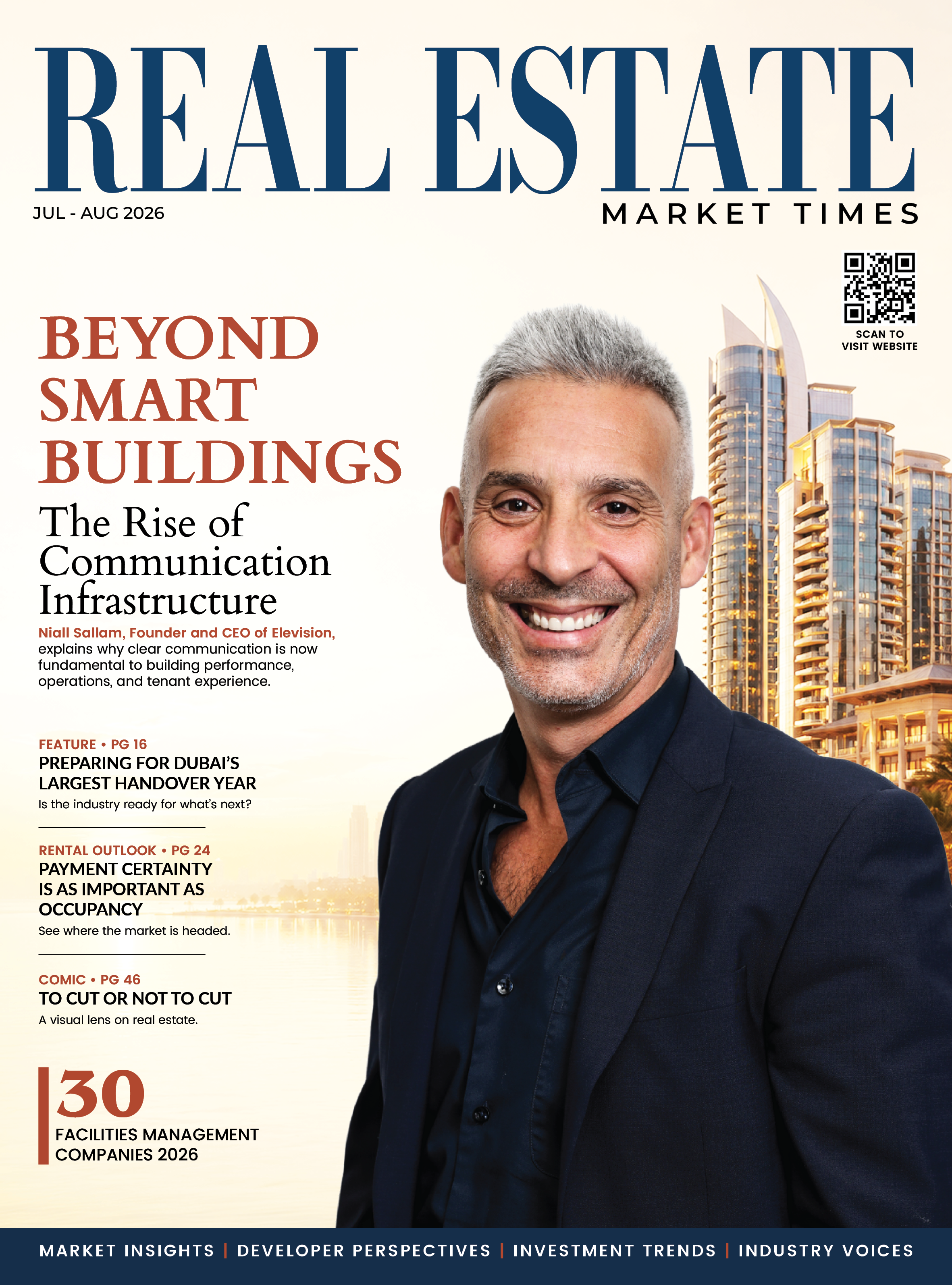





October 07, 2026 | Dr Noor Zainab Habib | UAE | PropTech
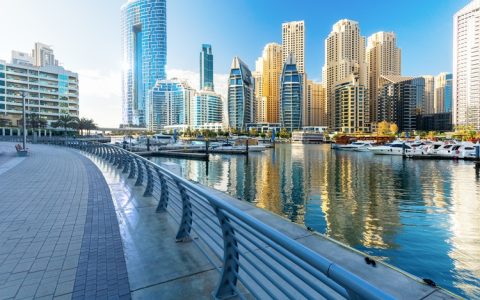
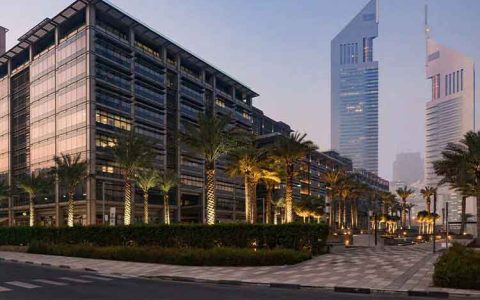
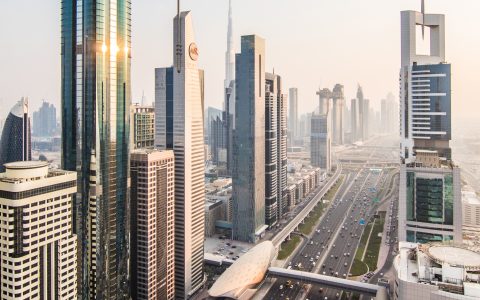
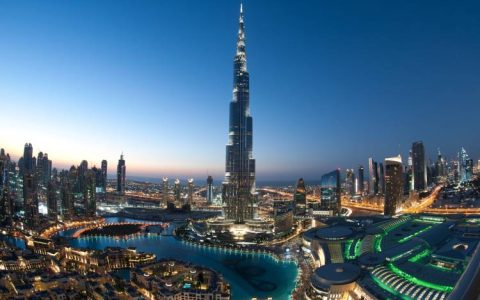
Over the past few decades, Dubai has transformed from a regional trading centre into one of the world’s most connected and technologically ambitious cities.
Through advances in engineering, technology and the built environment, the city has continued to rethink how infrastructure can contribute to everyday quality of life. In 2026, Dubai ranked second globally in Boston Consulting Group’s Intelligent Cities Index, according to the contributed article.
The next phase, however, is about more than building additional infrastructure.
Dubai’s future increasingly depends on making existing and new urban systems work together intelligently. The Dubai 2040 Urban Master Plan aims for 80% of residents to live within a 20-minute reach of essential services, while Dubai Municipality’s vision links connectivity with circularity, resilience and proactive planning.
Digital technologies are giving planners and engineers new ways to understand how developments could affect the city before physical changes take place.
Dubai Municipality’s digital twin capabilities combine geospatial data, artificial intelligence, machine learning and the Internet of Things to create detailed virtual representations of the city.
These models can simulate development scenarios and assess their potential effects on traffic, energy consumption, air quality and infrastructure. The Dubai Live platform goes further by bringing infrastructure, construction and planning information into a real-time city operations environment.
Technology is also changing the construction process itself.
Dubai has set a target for 25% of new buildings to use 3D-printing technology by 2030. Additive construction can help reduce material waste and shorten supply chains while making more complex architectural forms easier to produce.
Energy infrastructure is evolving alongside construction. The Mohammed bin Rashid Al Maktoum Solar Park has reached 3,860 MW of capacity, with plans to exceed 8,000 MW by 2030. Clean energy now represents more than 21.5% of DEWA’s total capacity, according to the contributed article.
Transport provides another example of engineering operating at city scale.
The 30-kilometre Dubai Metro Blue Line will extend rail connectivity into fast-growing districts, while Dubai is also pursuing its target for 25% of trips to be autonomous by 2030.
Alongside rail expansion, transit-oriented development, walking, cycling and micro-mobility can contribute to greater accessibility and reduce dependence on private vehicles.
The built environment itself is becoming increasingly important to the city’s liveability strategy. Dubai’s Blue and Green Spaces Roadmap 2030 includes more than AED4 billion in projects, around 1.5 million new trees, 120 new parks and 200 sports and recreational spaces.
Parks, shaded routes, landscaping and waterfronts can become infrastructure in their own right, supporting thermal comfort, public health, biodiversity and more walkable communities.
Dubai’s next stage will therefore be shaped not by one technology or landmark project, but by how effectively energy, materials, mobility, data, buildings and public spaces work as an interconnected system.
Engineering innovation can help bring those elements together; allowing Dubai to continue growing while improving resource efficiency, liveability and the everyday experience of the city.
The views and figures expressed in this column are solely of and by the author, and do not necessarily represent the editorial position of Real Estate Market Times.

Dubai’s residential market is moving beyond the traditional amenity checklist as buyers increasingly look for homes that support wellbeing, connection and everyday balance. Aida El Shahabi, COO of Amwaj Development, shares how greenery, outdoor spaces and community-led design are reshaping what residents expect from the places they call home.
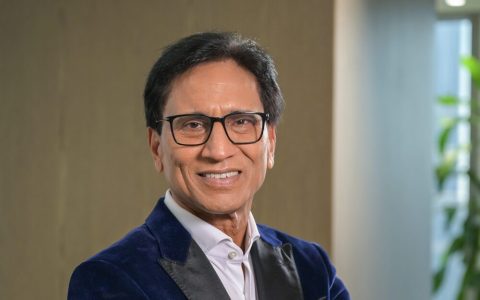
Dubai buyers are increasingly looking beyond the unit itself, assessing the infrastructure, connectivity and community planning that could shape residential value over the next decade. Read thoughts from Tauseef Khan, Founder and Chairman, Dugasta Properties on the same.

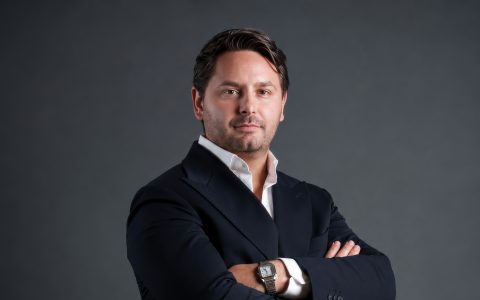
AI’s greatest value in real estate may not be automation, but helping developers better understand how people will actually live, connect and evolve within the communities they create. In this article, Eddy Nemri, Vice President at Object 1, shares his thoughts on the same.
Dubai’s growing residential market is creating greater demand for reliable property care, with preventive maintenance, service continuity and homeowner experience becoming increasingly important.
As Dubai’s secondary property market matures, greater transparency and buyer choice are becoming important considerations when selecting property transfer support.
Dubai property buyers should look beyond low service charges and assess reserve funds, maintenance costs and building quality to understand the true long-term cost of ownership.

Payment certainty, digital tenant screening and rental guarantees are emerging as key priorities for UAE landlords as the rental market becomes more mature and data-driven.
Dr Hassam Chaudhry, Associate Professor at Heriot-Watt University, Dubai, explores how healthier, more sustainable and inclusive built environments can improve quality of life, strengthen economic performance and support the long-term resilience of cities across the UAE and beyond.
Naresh Perwani, Principal of Neo Terra Developments, argues that long-term liveability, practical design and proven technology should define Dubai’s next generation of homes.
eToro market analyst Nagham Hassan on why rent, not fuel, is the bigger squeeze on UAE households — and how easing housing costs are finally starting to bring relief.
A veteran real estate advisor explains why successful property investing in Dubai begins with a clear investment strategy, not a project, and why defining objectives, evaluating net returns and planning an exit are essential for long-term success.
eToro market analyst Nagham Hassan weighs physical UAE property against listed developer stocks — comparing income, liquidity, costs, timing and risk as the market cycle turns.
Taimur Khan, Head of Rently UAE, explains why the future of rental affordability depends not only on price but also on payment flexibility, financial predictability and creating a more efficient rental experience for both tenants and landlords.
Rami Selo explores how sustainability, technology and personalisation are transforming home buyer expectations across the Middle East.
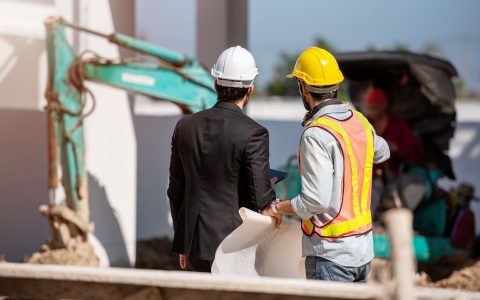
Access Consult highlights five construction trends expected to shape project delivery, sustainability and growth across the UAE in H2 2026.
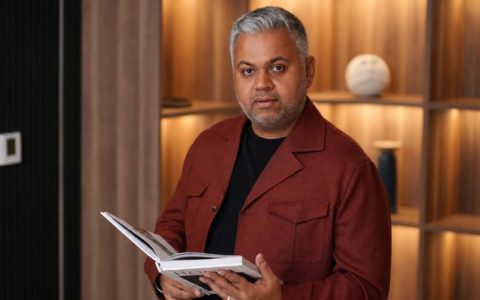
Tahir Majithia of Prime Capital Dubai dispels common misconceptions about Dubai's property market, explaining why stronger regulation, transparency and investor protections have transformed the emirate into a mature global investment destination.

For Kirienok, Dubai's institutional stability is the starting point of every investor conversation, but not something developers need to argue.
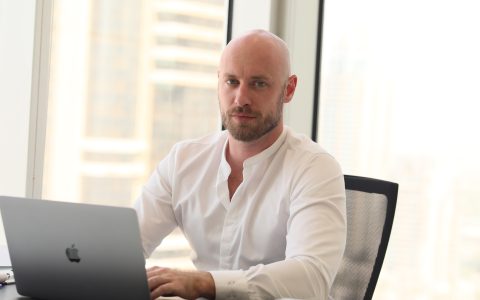
Real estate in Dubai sits where capital, regulation and international confidence meet, and it is the one sector where the entity is scrutinised as hard as the asset.
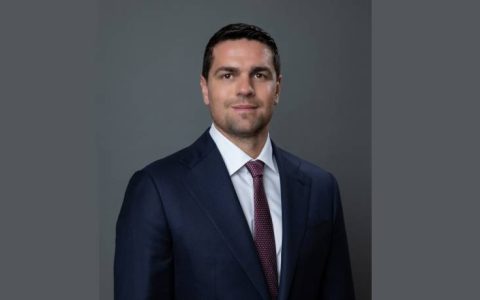
DHG Properties CEO Milos Antic explains why liveability, green spaces and integrated communities are becoming more important than location alone in shaping long-term residential value in Dubai.
Keturah CEO Talal M. Al Gaddah explains why disciplined capital, wellness-led design and proven execution are redefining Dubai's luxury real estate market as global investors prioritise long-term value over speculation.
Union Properties' Tania Moubadder Mills explains why Dubai real estate marketing is shifting from nationality-based targeting to intent-led strategies, with greater emphasis on trust, qualified buyers and long-term community value.

Wissal Bouhaddou of Ellington Properties explains why trust, proven delivery and personalised communication have become the foundations of successful real estate marketing in Dubai's evolving property market.
Marian de Guzman, Head of Marketing at Grovy Developers, shares why credibility, broker relationships and thought leadership have become more powerful than traditional marketing tactics in Dubai's evolving real estate market.
Arabian Construction Company’s Group Head of Engineering, Wael Boureslan, explains why successful project delivery in the GCC depends on early planning, integrated execution, resilient supply chains, and strong collaboration—not just construction itself.
Gilbert Boustany explains why clarity, governance and stakeholder alignment have become the true drivers of successful construction project delivery.
Andrea Corsini, CEO and Founder of Render Atelier, explains how architectural visualisation has evolved from a marketing asset into a strategic design tool. As Dubai's luxury real estate market matures, developers are increasingly using visualisation to refine design decisions, enhance buyer appeal, and create globally competitive projects.
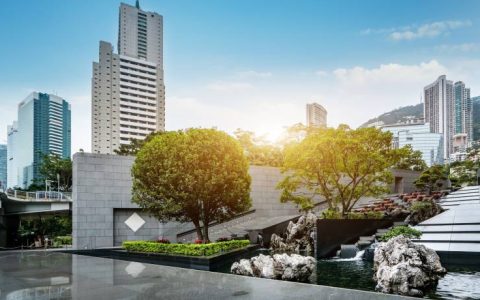
With cooling accounting for up to 80% of UAE building electricity use, Access Consult outlines six high-impact construction choices for heat resilience — from building orientation and façade design to insulation, roofing, and early HVAC coordination. North-facing windows alone cut cooling energy by 36%, while reflective roofing can offset surface temperatures reaching 70–80°C. These decisions directly shape operating cost, comfort, and alignment with UAE Energy Strategy 2050.
Dr. Rita Figueiredo, Licensed Psychologist and MD of Peninsula Psychology, argues that Dubai's next competitive edge in real estate isn't luxury or location — it's psychology. From walkability and biophilic design to reduced commutes and spontaneous social spaces, she outlines how community design directly shapes mental health, belonging, and long-term resident wellbeing.
With the UAE construction market projected to exceed USD 127 billion in 2026, PlanRadar CEO Ibrahim Imam outlines how digital tools are transforming quality control across real estate delivery. From live issue tracking replacing paper snagging lists to photo-based documentation and digital handover records, the shift is reshaping accountability, inspection cycles, and long-term asset performance across increasingly complex UAE projects.
Dubai's property market absorbed March's geopolitical shock and rebounded sharply. Foreign transactions jumped 26% in Q1 2026, April viewing activity surged 198% week-on-week, and mortgage submissions in April's first eight days exceeded all of March. The ValuStrat Price Index dip only unwound six months of gains — annual growth held at +8.9%. Century Financial's Vijay Valecha argues the data is clear: March was the trough, not the turning point.
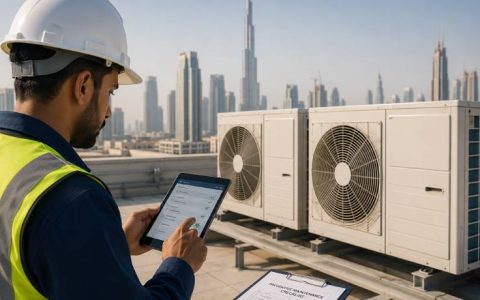

PropertyGuru Group's Head of People & Culture, Ruth Kerr, shares how Southeast Asia's leading PropTech platform builds culture across 1,500 employees in five markets. Anchored by a
Re-entering the GCC in 2026 isn't about returning to business as usual — it's about coming back leaner. Sicuro Group CEO Rafal Hyps argues that rising insurance costs, shifting supplier networks, and evolving workforce structures demand a full operating model reset. The businesses outperforming in the Gulf right now are treating supply chain exposure, workforce design, and operational footprint as core commercial decisions, not administrative ones.
The UAE has 72,000 green-certified buildings — but EMFIS CEO Federico Marangoni argues the next standard is already overdue. Every modern building generates a continuous electromagnetic environment from wiring, Wi-Fi, and 5G. With certified healthy buildings growing 24x across the Middle East since 2021, and a 2026 peer-reviewed study questioning current exposure limits, electromagnetic health is becoming the built environment's next design imperative.
Properties within 500 metres of a Dubai Metro station already sell for 8–15% more than comparable units without access. With the Blue Line under construction and the AED 34 billion Gold Line announced, Amaal Chairman Abdulla Lahej argues that metro connectivity is no longer an amenity — it's a primary driver of real estate value. Developers who read transport-led demand early will capture both occupancy and yield.
Dubai’s real estate market is entering a new phase, one defined less by rapid expansion and more by structural maturity, transparency, and regulatory precision.
The traditional facilities management model was built for a simpler time, when buildings stood alone, maintenance was reactive, and success meant simply
There’s a particular kind of clarity that comes when everyone around you goes quiet. Markets are noisy when things are going well. Everyone has an opinion, everyone has a tip, everyone is
Real estate growth in the Middle East is entering a new phase – one where the economics of execution matter as much as the strength of demand. Population
As attention spans shrink and expectations rise, property managers in the UAE must rethink resident communication as a strategic discipline. Rami Aboul Hosn, Director of Business Development and Partnerships at Elevision, explains how advertising principles can transform routine notices into engaging, loyalty-building experiences.
Community management is undergoing a profound transformation, moving far beyond the traditional, manpower-heavy practices that once defined the sector. Today, digital ecosystems, predictive analytics, and connected
Owners Associations (OAs) play an increasingly instrumental role in influencing how communities operate and evolve. Their operational decisions, spanningOwners Associations (OAs) play an increasingly instrumental role in influencing how communities operate and evolve. Their operational decisions, spanning
In the dynamic real estate landscape of the UAE, Owners Association (OA) Managers play a pivotal role in safeguarding the interests of property owners. One
Mohannad Hameed, Head of Commercial and Business Growth at iFM, explores the principles that turn ambition into measurable, lasting growth in facilities management
‘First life, then spaces, then buildings, the other way round never works.’ Jan Gehl, Danish Architect and Urban Designer The quote is a reminder of the role of meaningful architecture in fostering a sense of community, promoting well-being, cultural identity, urban livability and inclusivity by reclaiming public spaces in our cities.
The UAE real estate sector is undergoing a decisive shift to digital-first operations. Transaction volumes are rising, off-plan sales are accelerating, and tenants now expect faster service and clearer
In Dubai’s dynamic real estate landscape, Law No. (6) of 2019 concerning Jointly Owned Properties marked a significant step toward enhancing governance, transparency, and owners’ protection within residential and mixed-use communities.
For decades, real estate has been defined by buildings. Today, it is defined by living, working and leisure experiences, underpinned by technology. The modern

Dubai’s skyline is filled with towering residential buildings and vibrant mixed-use communities. While this model offers convenience and modern living, it also
As someone who has led integrated facilities management (IFM) across some of the world’s most iconic developments, I’ve witnessed a remarkable shift in the
In today’s fast-paced, digitally connected world, resident satisfaction is no longer just about having a clean building and prompt maintenance. It is about how well real estate and property managers communicate, how residents
As the world's urban population continues to surge, the challenges of creating resilient cities and sustainable
In the rapidly transforming landscape of the Middle East, a powerful axis is emerging, one that goes beyond political alliance or economic convenience. Saudi
Dubai has positioned itself as a prime destination for high-end developments underpinned by celebrity and luxury brand partnerships; a strategic trend
While financial markets may offer faster or more liquid gains, real estate remains a powerful and tangible asset class. Dubai’s real estate market, from off-plan opportunities to branded residences — has consistently delivered strong returns through both capital
Dubai’s real estate sector has often captured global attention for its dramatic growth, architectural ambition, and investment appeal. Yet, what we are witnessing in 2025 is not merely another surge, but a structural transformation. Fueled by regulatory foresight, technological integration, and shifting investor priorities, Dubai is repositioning itself as one of the world’s most resilient and future-ready real estate markets. Aligned with the Dubai Real Estate Sector Strategy 2033, D33 Economi
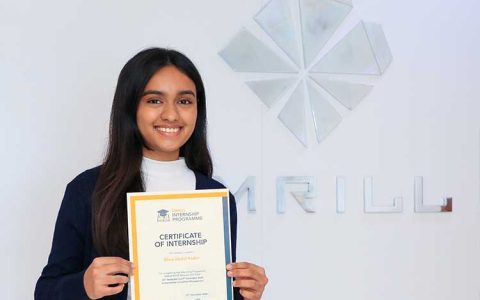
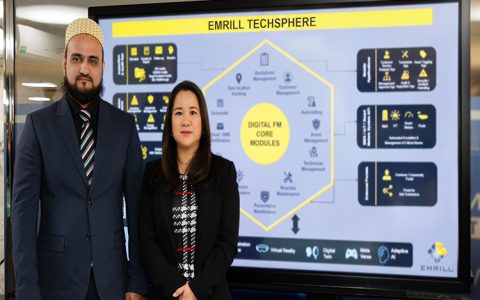
Emrill, the integrated facilities management firm, known for its excellence and award-winning initiatives, is constantly looking to better the lives of people living in
As Dubai’s real estate prices soar and investors seek fresh opportunities, Ras Al Khaimah is quietly and confidently stepping into the spotlight. Once known for its tranquil coastal charm, the emirate is now emerging as a key player in the UAE’s luxury real estate sector. From surging short-term rentals and branded residences to high-profile developments and ambitious infrastructure projects, RAK is one of the top property investment destinations for high-net-worth individuals and global propert
I have been asked this question countless times—especially by young couples renting a one-bedroom or two-bedroom apartment in Dubai. They are constantly battling the thought: Should we buy our first home instead of paying these high rents? And my answer has remained the same, ever since I first stepped foot in this country in 2011: Buy, buy, and buy! Why Pay Someone Else’s Mortgage? Renting in Dubai means your hard-earned money is going toward paying your landlord’s mortgage, not yours. Every m
Women in leadership roles bring immense value to organisations and industries, promoting collaboration, increasing productivity, and encouraging fairness. The built environment sector stands out as one where women have made remarkable strides in both leadership and operational roles. This industry, which encompasses the design, construction, and management of physical spaces where communities live, work, and interact, plays a crucial role in societal progress and sustainability. In recent years,

Technology’s role in reshaping urban environments is becoming more apparent across the globe, particularly in the Middle East. In cities like Dubai, the integration of technology in real estate is not just enhancing the way people live but is driving substantial changes in how urban areas are planned, built, and operated. The adoption of PropTech (property technology) is helping to create smarter, more sustainable, and increasingly efficient urban spaces, with a focus on improving the quality of
Dubai has solidified its position as a global real estate hub with a game-changing announcement. The Dubai Land Department's new policy, which allows properties along Sheikh Zayed Road and Al Jaddaf to be converted to freehold ownership. As developers, we are always on the lookout for the most promising locations to ensure that our projects deliver the best possible outcome for investors. Therefore, the recent announcement by the Dubai Land Department regarding the ability to convert properties
In the era of rapid digital transformation, data has become the currency of innovation, driving commerce, connectivity, and technological breakthroughs. At the core of this revolution are data centres—advanced real estate infrastructures that store, process, and disseminate vast volumes of information. The valuation of data centres is now a critical exercise, reflecting their strategic significance in the global economy and their pivotal role in shaping the digital future. Global Data Centre La
The year 2025 presents a pivotal opportunity for community management professionals to elevate the overall community experience, aligning with Dubai's ambitious vision of becoming “the world’s best city to live in.” These strategies will position community managers as essential drivers in creating resident-centric, thriving environments. By adopting global best practices, fostering meaningful engagement, and embracing innovative solutions, Dubai’s communities can set the benchmark for modern urb
The real estate sector has undergone significant changes in recent years, and 2025 is poised to be another crucial year for the industry. According to a report published by Research and Markets in 2023, the UAE PropTech market is forecasted to reach a value of USD 1,558.62 million by 2028. The merging of property and technology, known as ‘PropTech’, has brought new ways to manage properties, interact with clients, and operate within the market. As PropTech continues to advance, the trends emergi
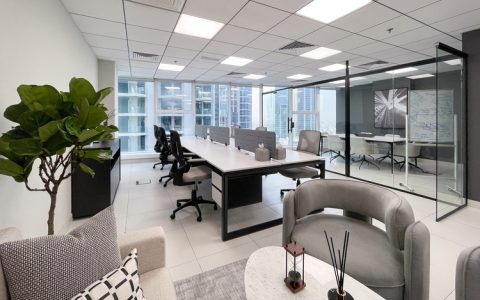
Office design is rapidly adapting to modern demands, making workspaces more flexible and comfortable. Technology plays a pivotal role in creating such environments, enhancing employee efficiency. Significant attention is given to ergonomics and the incorporation of natural elements in interiors, which foster a pleasant and inspiring atmosphere. Ekaterina Patalina, Founder of Cont de Arch, a design agency in the UAE, explains how innovations and flexible space planning can significantly boost pro
Dubai’s Smart Rental Index 2025 is an AI-driven platform designed to transform rental market transparency and fairness. Unlike traditional systems that rely on broad averages or manual reporting, as we understand so far, this index evaluates properties using advanced building classification techniques, ensuring highly accurate rental valuations.
The real estate industry in the Middle East is changing rapidly. Developers across the region are realising that to stand out, they need to create long-term

In a city known for constantly reinventing itself, Dubai’s real estate market is drawing waves of interest, particularly from investors across Asia.
Building challenges posed by severe climate conditions highlight the need to revolutionise safety and resilience through cutting-edge technologies and
In UAE’s real estate market, the seamless blend of sustainability, luxury and innovation is no longer a trend; rather, it’s an imperative. As discerning elites heighten their standards of
As climate change continues to challenge our urban environments, the need for community-driven green initiatives has never been more critical. By working
In recent years, the facilities management (FM) industry has undergone a tech revolution. Cutting-edge innovations are reshaping traditional practices, making FM more efficient, cost-effective, and sustainable.
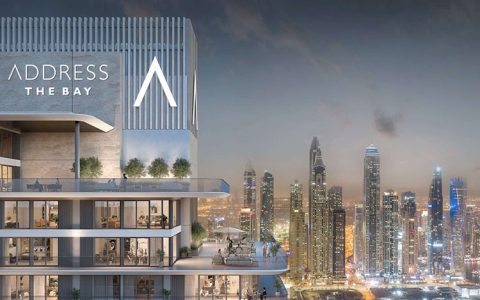
The branded residences market in Dubai has exhibited exceptional growth and resilience in the first half of 2024. During this period, a total of 5,592 branded
The world has witnessed rapid and unpredictable changes in the last few years, highlighting ongoing global volatility. Against this backdrop, there is a firm
The landscape of the modern workplace is ever-evolving, and what we require of the spaces we work in is shifting in the face of economic, geopolitical, and
Amenity-rich residences have been gaining significant traction globally, and it’s no surprise that this trend is poised to make its mark in our region as well. We’ve seen first-hand how these residences
Lately, the United Arab Emirates (UAE) has experienced a remarkable increase in residential property prices, particularly in major urban hubs like Dubai and
This year, on May 22, the International Code Council (ICC) marked the first-ever International Building Safety Day. It is a day dedicated to promoting and
On April 16, 2024, our city faced an unprecedented challenge with record-breaking showers of rain and floods. But in the face of this storm, Dubai began
The impact of climate change is being felt worldwide. In April 2024, the UAE experienced its heaviest rainfall in 75 years, catching many developers off guard
Since embarking on my journey in Dubai's real estate market in 2005, I have witnessed the evolution of the city’s real estate industry into a global powerhouse,
In the realm of community association management and property management, the adoption of technology has become imperative for efficiency, transparency, and
Community management, the process of building, nurturing, and sustaining thriving communities, involves a combination of strategic planning, communication
In recent years, the United Arab Emirates (UAE) has emerged as a global leader in sustainable development, particularly within its real estate sector. As the

Dubai continues to dominate the global luxury property market, surpassing other international realty hotspots, with 2024 poised to sustain this trend. The
As we navigate the economic currents of 2024, London's real estate market continues to remain an attractive investment destination for Middle Eastern
When women are given more opportunities to lead, it yields positive outcomes for all involved. Numerous studies spanning decades demonstrate that female
Despite all the progress it has made, the global construction industry still sees less than 12% women in its workforce, underscoring the ongoing challenges
Medical tourism is when people travel to another country or city to receive medical care because of considerations
As we navigate the concrete jungles of residential and commercial spaces, there is a rising trend subtly transforming the way
As one of the largest industries in the world, real estate’s influence on the environment and society has always been substantial. Sustainability and social
Residential and commercial structures contribute to approximately 37% of carbon emissions and account for about 34% of final energy consumption, along

The significance of globalisation has had an inevitable impact on economies, cultures and societies. As markets interconnect and barriers challenge
In line with Vision 2030 to transform Riyadh into one of the most sustainable cities in the world, the real estate industry must proactively contribute towards
The UAE's involvement in the BRICS alliance has the potential to bring significant changes to the country's real estate sector. Currently, the worth of the real
As the dependence on technology continues to affect various aspects of our lifestyle, businesses across all industries are exploring innovative solutions

The real estate industry has long stood as a cornerstone of the global economy, boasting vast and intricate transactions, legal complexities, and intricate financing structures.

The UAE’s real estate market is experiencing a significant boost. According to Statista’s report on UAE’s real estate industry, the market is anticipated.
Dubai, the dazzling city in the United Arab Emirates, has been making headlines for its extravagant tourist attractions, opulent hotels, lavish resorts
Efficient waste management is an indispensable component of sustainable development, especially in residential communities. As real estate professionals,
The world is buzzing about ChatGPT and its potential to change the world. But what does it mean for the facilities management sector?
IREM® (Institute of Real Estate Management) is a global organization that provides property and asset managers with in-depth expertise to meet
As cities become more urbanized, it is crucial to create sustainable residential communities that promote health and well-being, especially for mental health.

Technology innovation in blockchain, tokenisation, NFTs, and the resultant decentralised finance (DeFi) services
In today‘s modern and technologically advanced society, there tend to be new technologies and software being created all the time. Whilst this is great and
How you think about your tenant engagement approach can determine your successes or failures as a business.
The built environment contributes to 70% of energy consumption in the UAE. Given that the lifespan of a building can be several decades the
When we talk about the culture within the Community Association and Management Companies it is key to first
Much research is dedicated to the changing workplace nowadays, which appears to be proportionately more than we have seen over the past few decades. We are looking to dig deeper into the new reality and how
The upkeep of a property is of utmost importance. Every Property Manager should consider a custom plan for regular maintenance
Nearly 80 percent of the energy generated globally comes from fossil fuels, including coal, oil, and natural gas.
When was the last time you had a ‘ Å“wow moment’, a deeply satisfying and memorable experience as a customer?
The real estate sector has been relatively slower to climb on the digitalization train. It’s a deficit that the sector has since addressed with alacrity as technology changes the face of every segment.
It‘s a suite of smart and green technology that provides not only a means of education to the FM

If you could take a time machine back to 2006 when the Dubai freehold law was implemented, would you buy the property?

Author- Mohammed Kaiser, Emaar Community Management L.L.C