




Milos Antic, Executive Vice Chairman of DHG Group and CEO of DHG Properties, highlights how evolving buyer expectations are placing greater emphasis on everyday living within communities.
July 14, 2026 | Milos Antic | UAE | Developer | 3 Min Read

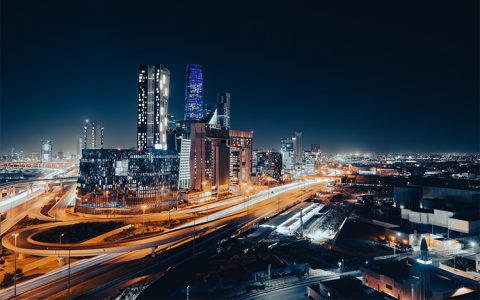
For years, the value of any estate has been tied to where it sits on the map. Proximity to landmarks, business districts, or waterfronts shaped how developments were perceived. Today, that definition is extending. As Dubai’s property market continues to record strong activity, with AED 22.01 billion in transactions and 9,507 sales in May 2026 alone, demand remains concentrated across established communities and emerging growth corridors supported by strong connectivity, quality infrastructure, and long-term development planning. At the same time, buyers continue to place greater emphasis on how a home supports daily life.
The focus is shifting toward “livability”, where convenience, accessibility, and overall quality of living are becoming central to decision-making. This is natural progression, as choices increase and the market becomes more diverse. Emphasis is moving toward how well a development fits into everyday life and how consistently it performs over time.
Real estate markets tend to evolve alongside buyer expectations, and as activity stabilises, priorities become more practical. In Dubai, this is increasingly shaped by hybrid models of working and the city’s continued appeal as a global tourism hub, both of which place greater emphasis on convenience and accessibility in daily living. This is reflected in the growing importance placed on having essential services and amenities within close reach, including retail, dining, wellness facilities, and green spaces that support daily routines.
This direction is reinforced by long-term planning at a city level as under the Dubai 2040 Urban Master Plan. More than 60% of land is being allocated to green and recreational areas, as an increased reflection into a broader focus on accessibility and quality of life. Global research further shows that proximity to green can increase property values by up to 20%, while also contributing to improved physical and mental wellbeing.
There has been a shift in expectations and on how developers approach projects from the outset. Liveability today is defined by how different elements come together, with a greater emphasis on integrating thoughtful design into the planning process, as more buyers look for a seamless connection between indoor and outdoor living.
At DHG Properties, this perspective is reflected in how projects are positioned across different types of communities. Helvetia Verde has been designed as part of a broader ecosystem that brings together a full suite of lifestyle amenities, including gyms, a yoga area, jogging track, etc., all set within landscaped greenery that supports both relaxation and day-to-day functionality. This aligns with broader market trends, where recent industry insights indicate that over 63% of homebuyers in the UAE prioritise access to amenities and green spaces when making residential decisions.
The relationship between a development and its surrounding environment continues to play a key role in how value is experienced and sustained over time. Buyers are expecting the city living experience as well as the focus on wellbeing, both fully integrated. While for developers, this reinforces the importance of planning at both the micro and macro level, ensuring that projects are aligned with the wider communities they are part of.
The views expressed in this column are solely those of the author and do not necessarily represent the editorial position of Real Estate Market Times.