



September 01, 2026 | Tripti Mehta | UAE | Real Estate
When India and the UAE announced plans to interlink India’s Unified Payments Interface (UPI) with the UAE’s instant payment platform Aani, much of the conversation centred on remittances and retail payments. Indian travellers could already scan UPI QR codes at participating merchants across the UAE, while the next phase of integration promises faster cross-border fund transfers between the two countries.
For the real estate industry, however, the significance lies elsewhere.
Real estate is built on recurring financial interactions long after a property has been sold. Service charges, utility payments, maintenance costs, rental collections, facility management and community fees form the operational backbone of every residential asset. As governments invest in faster, interoperable payment infrastructure, these routine transactions stand to become more seamless for property owners managing assets across borders.
For a market such as the UAE, where Indian nationals consistently rank among the largest foreign property investors while more than three million Indians live and work in the Emirates, the evolution of cross-border payment infrastructure deserves attention, even if its impact on property transactions is still at an early stage.
UPI is India’s real-time digital payment network, while Aani is the UAE’s instant payment platform developed under the Central Bank of the UAE’s National Payments Systems Strategy and operated by Al Etihad Payments.
The integration aims to connect these two payment ecosystems, enabling faster and more convenient cross-border transactions between users in both countries. Rather than relying solely on conventional international transfers, the long-term vision is to allow money to move more efficiently across one of the world’s busiest remittance corridors.
While merchant acceptance of Indian UPI payments already exists across participating UAE retailers such as Lulu Hypermarket and Dubai Duty Free, broader interoperability between the two payment systems is being implemented in phases.
The purchase of a property is only the beginning of its financial lifecycle. Owners continue making recurring payments for years through maintenance fees, utility bills, community charges, repairs and facility management. For overseas investors, these transactions often involve international transfers, currency conversion, multiple banking channels or maintaining funds in another country.
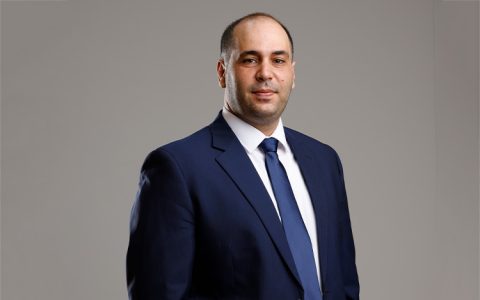
That is where digital payment infrastructure becomes relevant. “The link between Aani and UPI has made it possible for Gulf-based families to easily manage and fund their second house in India, where they can send cross-border funds instantly through payment methods that are familiar to them,” says Cyrus Mody, CEO and Founder of Viceroy Properties.
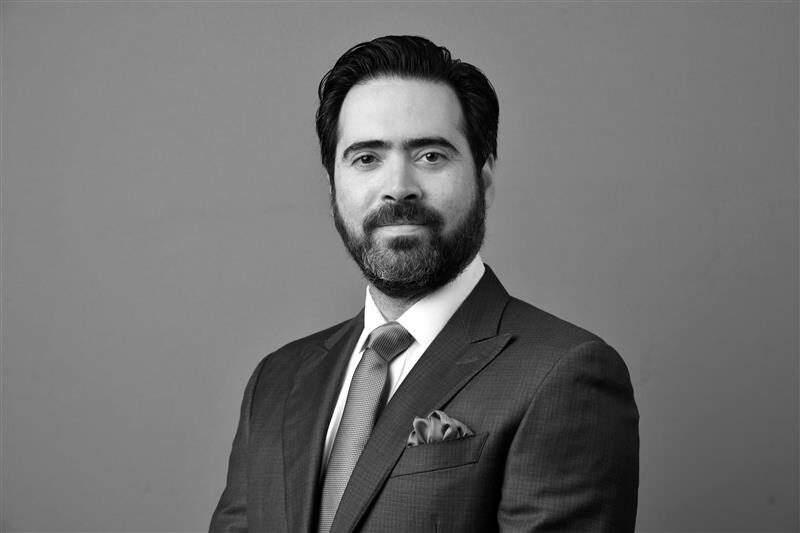
“It allows homeowners to pay expenses related to the house without the need to go through bank transfers or keep unnecessary money in India, thereby saving their cash flow in the UAE”
— Cyrus Mody, CEO and Founder, Viceroy Properties
“It allows homeowners to pay the cost of repairs, utilities, and other expenses related to the house without the need to go through bank transfers or keep unnecessary money in India, thereby saving their cash flow in the UAE,” he adds.
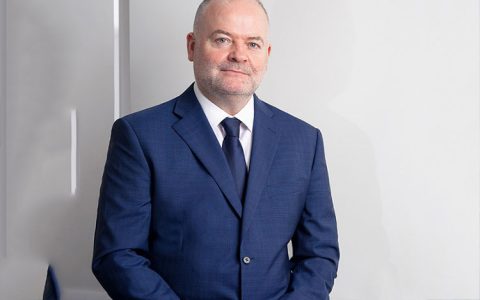
Aakash Patel, Director at Atul Projects, believes the integration represents a broader shift in how overseas owners manage residential assets. “This milestone in linking UPI with Aani is essential to help NRIs with cross-border property ownership. Thanks to digitisation, daily transactions related to property such as booking, maintenance, utilities, and society dues can be done in no time and do not need multiple banks and a long processing time,” he says.
Rather than changing how properties are purchased, the integration begins addressing the operational layer of ownership that follows every transaction.
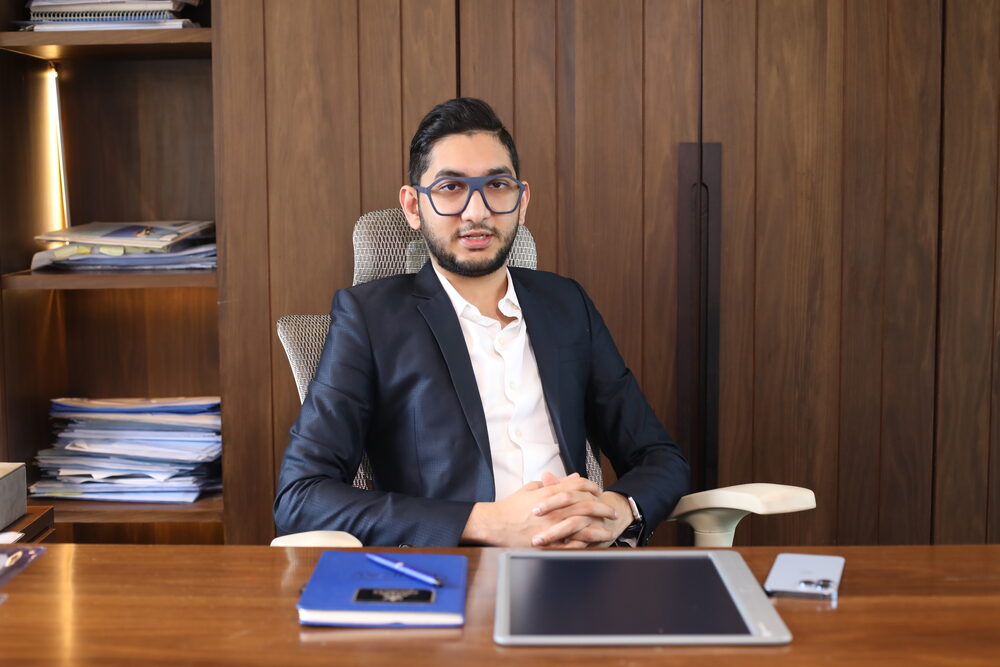
“Daily transactions related to property can be done in no time and do not need multiple banks and a long processing time”
— Aakash Patel, Director, Atul Projects
For the UAE’s real estate ecosystem, the bigger story may not be today’s functionality, but the direction of travel. Payment infrastructure is increasingly becoming part of digital property infrastructure.
Community management companies are digitising resident services. Property managers are automating recurring payments. Facility management businesses are investing in customer portals. Developers continue expanding digital homeowner ecosystems long after handover.
As payment networks become faster and more interoperable, the efficiency of these operational workflows is likely to improve alongside them.
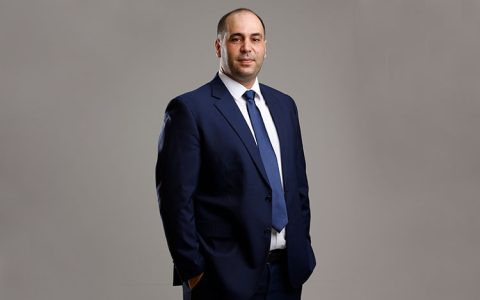
Anuj Mehta, Director at Dhuleva Group, says the greatest immediate opportunity lies in simplifying routine property management. “With over three million Indians settled in the UAE, the connection can make all routine payments related to property, from maintenance fees or utility bills to society fees and upkeep of the house, much simpler with the use of instant digital transactions, which are made without delays or complications usually linked to international money transfers. Families are able to control their properties in India without any disruption of their liquidity in the UAE,” Mehta says.
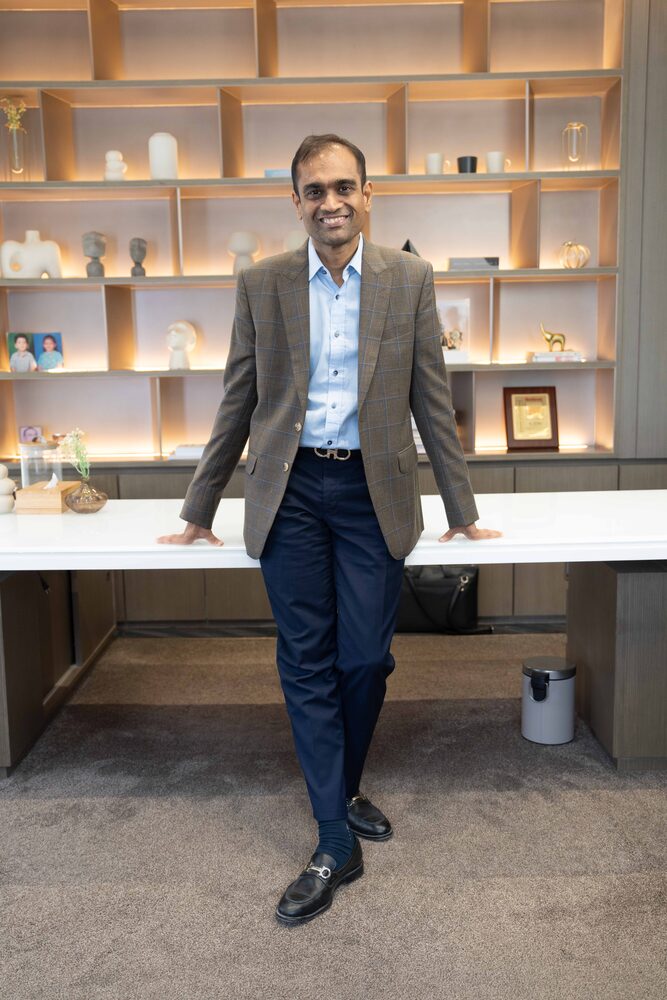
“Families are able to control their properties in India without any disruption of their liquidity in the UAE”
— Anuj Mehta, Director, Dhuleva Group
His comments reinforce an important distinction: the value proposition is not faster property purchases, but smoother property ownership.
The Aani-UPI integration should not be confused with a property transaction platform. Today, it does not replace the regulated banking infrastructure used for off-plan purchases, escrow payments, mortgages, title transfers or developer settlements in either country. Instead, it represents another layer of digital infrastructure supporting cross-border financial interactions.
As interoperability expands over time, additional use cases may emerge, subject to commercial adoption and regulatory approvals. For now, its most tangible value lies in making recurring cross-border payments simpler for individuals and businesses operating across the India-UAE corridor.
Digital infrastructure is becoming as important to modern real estate as physical infrastructure. Just as online title registration, digital identity, virtual property tours and e-signatures have reduced friction in property transactions over the past decade, payment infrastructure is beginning to play a similar role in the ownership journey.
The Aani-UPI link is not yet changing how Dubai real estate is bought or sold. It is, however, an early example of how governments are building the financial rails that could support the next generation of cross-border property ownership and management. For the UAE’s real estate sector, that may prove to be the more significant story.
Aani–UPI: What UAE Real Estate Professionals Should KnowWhat is Aani? The UAE’s instant payment platform, operated by Al Etihad Payments under the Central Bank of the UAE. What is UPI? India’s real-time digital payment network, used by more than 700 banks. What works today? UPI payments are accepted at participating UAE merchants, while broader Aani-UPI interoperability is being rolled out in phases. Does it change property purchases? No. Property purchases, escrow payments and title transfers continue to follow existing banking and regulatory processes. Why should the real estate industry care? Because recurring payments, maintenance fees, utilities, rent and property management, are increasingly becoming part of a digital payment ecosystem. |
Dubai’s largest handover year in 2027 will put facilities management, community governance, service charges and buyer expectations under greater scrutiny as thousands of new properties enter the market.

Dubai’s rental market is evolving as residents increasingly prioritise professionally managed communities, digital convenience, sustainability and quality of living.

Explore how digital communication is becoming core infrastructure for smart buildings, improving occupant experience, operational clarity and long-term real estate performance.
Dubai's residential market is entering a more balanced phase in 2026, with transaction volumes moderating while prices remain resilient, off-plan demand stays strong and a record supply pipeline reshapes the market's next growth cycle.
Early entry, flexible payment plans, and strong branding don't guarantee off-plan returns — yet these myths continue to shape buying decisions across the UAE. Banke International Properties CEO Porush Jhunjhunwala breaks down six of the most persistent misconceptions, from launch timing to lifestyle storytelling, and what today's more deliberate, data-led buyers are actually evaluating before they commit.

4 in 5 UAE construction firms using digital and AI tools report better cost control, according to PlanRadar's 2026 survey of 1,728 professionals. Non-adopters are 1.3x more likely to face month-long delays and 1.7x more likely to lose documentation during disputes. In a market with over AED 1 trillion in active projects, the performance gap is no longer a future risk — it's already opening.
Dubai South has been gaining renewed attention as activity accelerates across its aviation, logistics and residential districts, supported by a strong performance in 2025 and a growing pipeline of developments. Pegged as

The UAE’s branded residences market is underpinned by strong macroeconomic fundamentals and sustained wealth migration. What began as a luxury
Dubai’s real estate market is entering a more mature investment cycle, supported by population growth, economic diversification and the emirate’s expanding role as a global business and

Dubai has weathered storms before and emerged stronger each time. But for real estate veteran Ashirwad Somani, Founder and Managing Partner at Velar
The Northern Emirates are emerging as an increasingly important component of the UAE’s industrial landscape, supported by expanding inventory, infrastructure investment and free
The question was posed sharply in early 2026. Global macro conditions tested every market at once, Ramadan compressed working hours and decision cycles, and capital had every reason to pause. Real estate markets in proximity to instability typically signal it immediately via falling volumes and retreating foreign

The UAE’s leadership formally declared 2025 as the Year of Community under the slogan “Hand in Hand.” This initiative aims to strengthen social bonds, foster shared responsibility and build inclusive, empowered communities.
Once considered the UAE’s best-kept coastal secret, Ras Al Khaimah (RAK) is no longer content with being a tranquil escape. Over the last few years, the northern emirate has witnessed an extraordinary transformation—one

Dubai’s real estate market continues to set new records — both in sales volume and broker activity. In 2024 alone, the emirate witnessed nearly 180,900 real

For over four decades, Berkeley Services has been a cornerstone of the UAE’s built environment, setting benchmarks in quality, reliability, and innovation in
All set to take place from December 8-12, 2025, World Realty Congress is one of the biggest conferences and awards that brings the entire ecosystem of real estate on one platform

In a city renowned for pushing the limits of luxury and architecture, it takes something truly exceptional to command attention. And in Dubai’s expansive real

Dubai’s holiday home market has evolved from a niche choice for seasoned landlords into one of the city’s most dynamic real estate trends. With high

In a built environment evolving faster than ever, the role of facilities management has shifted from behind-the-scenes support to a front-and-centre driver of

In a market often overshadowed by Dubai's fast-paced momentum, Abu Dhabi is steadily and strategically emerging as the UAE’s most promising destination
When Better Communities Owner Association Management (BCOAM) was founded in the last quarter of 2021
The role of real estate consultants has evolved. Today’s clients expect more than services or reports. They expect context, interpretation, and clarity from
In the fast-moving world of Dubai’s real estate, a new blueprint for the future is emerging—one centered not on square footage or skyline views, but on
The UAE’s real estate market has seen significant shifts in recent years, shaped by economic recovery, job growth, and evolving buyer preferences. The latest

Dubai's real estate sector, long known for its dynamic growth and global appeal, has seen a significant shift in recent years, with women investors increasingly

The Etihad Rail’s latest project, a high-speed passenger rail line connecting Abu Dhabi and Dubai, is set to reshape the UAE’s real estate landscape with
A growing number of German millionaires are considering relocating to the UAE due to escalating political tensions and economic uncertainty in Europe, according to a new survey by global investor migration consultancy Arton Capital. This trend coincides with the UAE’s remarkable ascent in global passport rankings, recently securing a spot among the world's top 10 most powerful passports—making it the first Arab nation to achieve this milestone. The survey, which polled 1,000 high-net-worth Germ

Dubai’s new policy allowing property owners along Sheikh Zayed Road and in Al Jaddaf to convert their holdings to freehold is poised to transform the city’s real estate landscape. The initiative, opening 457 plots to all
A game-changing tool introduced by the Dubai Land Department (DLD); the Dubai Smart Rental Index marks a significant advancement in the emirate’s real
In every domain, there are individuals whose exceptional work contributes hugely to the transformation of the company—such is the case with Randolf

In recent years, the real estate landscape in the UAE has evolved profoundly, particularly with the rise of jointly owned properties, such as apartment complexes, villa communities and commercial buildings. As this sector grow

With the global real estate market projected to reach over $4.2 trillion by 2025 and the UAE real estate sector
In the intricate world of community management in Dubai, where regulatory adherence is paramount, Mohamed Kotb, Compliance Director at Luxury

The UAE real estate market has been showcasing tremendous progress over the last several years and a crucial factor behind this meteoric growth is the
The UAE has always been the dream destination of many professionals and investors across the globe. In fact, as per a report by
Always emerging as one of the world’s busiest airports every year, the Dubai International Airport (DXB) witnessed an impressive influx of 86.9 million passengers in 2023.

The glittery real estate ecosystem of Dubai has always been the cherished dream of many. Investors, home buyers and tenants from across the world
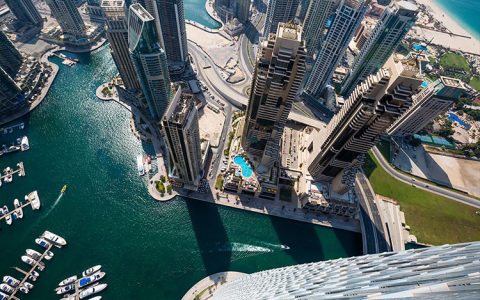
Dubai’s mortgage sector has been on the climb with May recording a 14-month high in mortgage activity according to the Dubai Land Department data. This

Known for its strategic location across the Gulf, contemporary skyline and opulent living standards, Dubai is home to some of the most remarkable

April 16 is a day that the residents of Dubai will never forget. The UAE was caught in a storm like never before and a downpour of 1.5 years in 24 hours caught
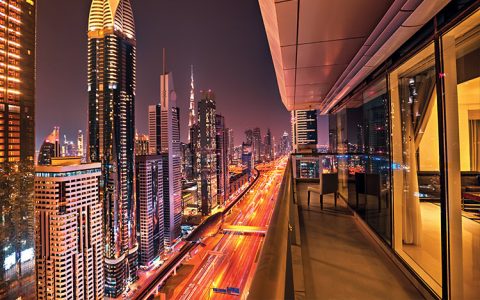
For investors looking to own a high-value property without having to dwell too much on the maintenance, legalities or finances of it that accompany along,

2024 has been an outstanding year so far for the property market of Dubai. In February alone, the emirate witnessed a staggering 12,475 transactions, totalling

The speedy momentum gathered by Dubai’s real estate sector in the last several years is expected to slow down a bit in 2024. After a fantastic 2023, the
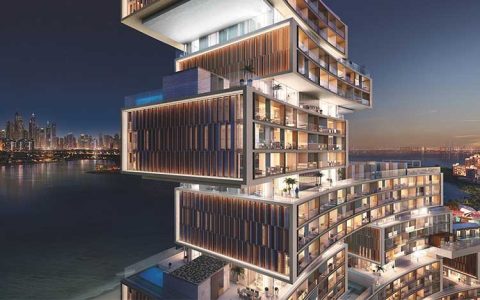
With renowned international brands constantly looking for new ways to expand their portfolio, branded residences have witnessed a rapid surge across
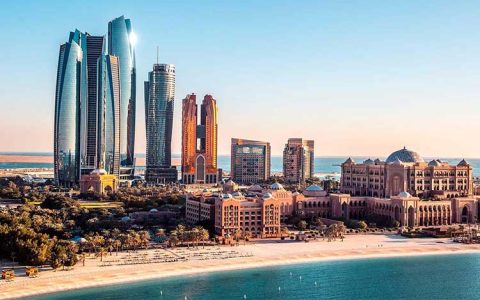
The residential developments of Dubai’s neighbouring city of Abu Dhabi have become much sought-after by investors across the globe. After a fantastic 2023,
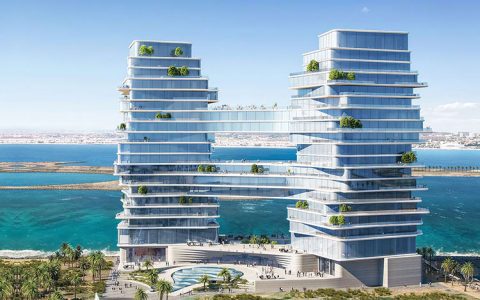
In the last few years, the UAE’s northernmost emirate Ras Al Khaimah (RAK) has been emerging as a realty hotspot

In this dynamic landscape of Dubai’s real estate sector, sustainability and environmental awareness are becoming crucial.

As per reports, the built environment is responsible for approximately 42% of all the greenhouse emissions across the globe. Of these, building operations are

The role of technology in real estate cannot be understated. Right from searching of homes to streamlining of paperwork, tech is being used in every possible

The last few years have completely upended traditional notions of the workplace. With remote and hybrid work becoming the norm, employees now expect

For a city that’s often associated with opulence, extravagance and meteoric growth, it’s not a wonder why the luxury housing market of Dubai has been setting

In pursuit of a more sustainable and eco-conscious future, the United Arab Emirates (UAE) has embarked on an ambitious journey towards eco-friendly

Dubai's annual IRECMS event, scheduled from December 12-15, is now part of World Realty Congress (WRC), a new umbrella brand hosting three other

Most real estate professionals would agree that managing the facilities of a property is as much a Herculean task as designing and developing the property

Provis shares an interesting Case Study that serves as roadmap to improve its customer experience

Real estate is booming in the UAE and across the globe, like never before. With more and more innovations in designs and advancements in technology
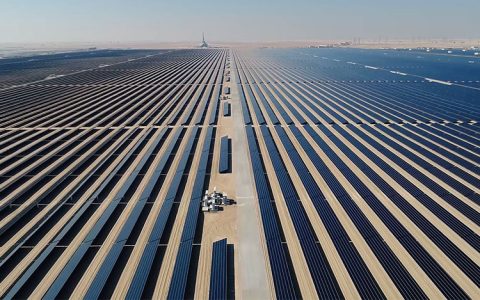
The UAE is among the largest countries in the world to invest in clean and renewable energy projects and was the first country in the Middle East and North
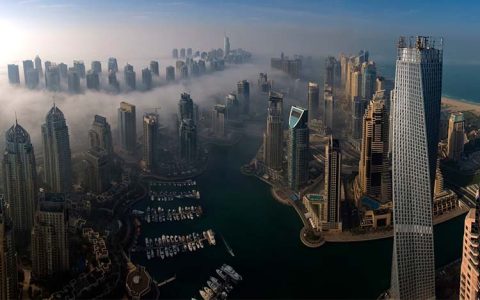
The real estate market in Dubai has witnessed significant growth and development over the years. As Dubai continues to attract investors from around the world

Technological advancements are transforming industries and revolutionizing conventional business models around the world. This wave of disruption has not

The global proptech market is expected to reach a value of $86.5 billion by 2032, with a compounded annual growth rate (CAGR) of 16.8% according to a report by Future
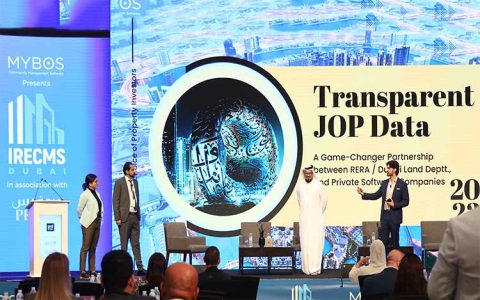
When the screen reads - RERA Special Announcement. You know that it can grab the attention of the crowd.

With the world continuing to urbanise at a frantic pace, the global demand for heating and cooling in urban environments will continue to increase. According to

The UAE’s manned guarding sector has been steadily growing over the past five years
Residential developers in the Middle East can differentiate themselves from their competitors and increase value over
The Ministry of Economy (MoE) and the Ministry of Justice (MoJ), in partnership with the UAE
The UAE real estate market remained strong during the second quarter of this year despite global headwinds and rising inflation concerns,

In this context we will provide information about DAMAC Properties

There is no doubt that the UAE property market is moving fast. Last week saw a massive move by the Dubai Land Department.
Last week witnessed a huge announcement with respect to Dubai‘s new regulations covering tariffs on district cooling.
The real estate market is bound to fluctuations based on the majority of investors and their willingness to invest in projects.

The real estate market in the UAE is a lucrative playground for many investors. Generating one of the highest rental yields worldwide,

Like every other industry around the world, the community management sector over the years has been hurtling

Over the years, multiple studies have brought to focus the question of whether being in an office environment is required to gain the most effective output of work.

Fractional Ownership of a property refers to a scenario where a group of investors pool in funds to purchase a property
Community Management and Facility Management Companies in the UAE have two major areas of concern when it comes to their services
Defined as the capacity to endure in a relatively ongoing way across various domains of life, sustainability as a concept has

The real estate, property development, community management