



Design shapes how places perform. Real Estate Market Times gathers Design & Architecture news from Dubai and the UAE with a practical eye toward value, durability and user experience. We cover interior fit-outs, workplace strategy, hospitality projects, materials and sustainable design trends that influence leasing, operating costs and long-term asset value. Expect project highlights, expert interviews and vendor spotlights that explain design choices, cost trade-offs and compliance considerations. For developers and property teams, the coverage aims to translate aesthetic decisions into measurable outcomes — lower capex or opex, better tenant retention and improved brand positioning. Use the project briefs for inspiration, the data snapshots for benchmarking, and the features for actionable guidance on procurement, specification and lifecycle performance.
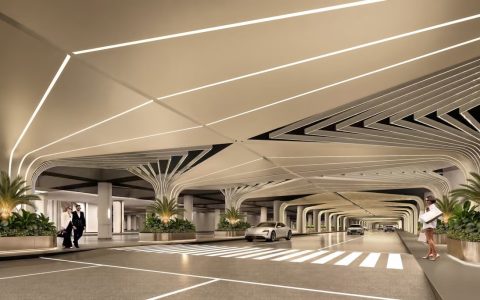
Dubai Square has unveiled its vision for an air-conditioned parking environment with full interior design treatment, extending the quality of the destination beyond the mall entrance and into every stage of the arrival and departure journey.
The concept reimagines parking as an integral part of the destination experience rather than purely functional infrastructure, treating it as a comfortable, intuitive and visually considered environment that connects seamlessly with the mall.
Under the proposed concept, climate control, interior finishes, ceilings, lighting, wayfinding and architectural detailing would be developed as one coherent experience, ensuring visitors feel the quality of Dubai Square from the moment they arrive while making the transition from vehicle to destination simple and effortless.
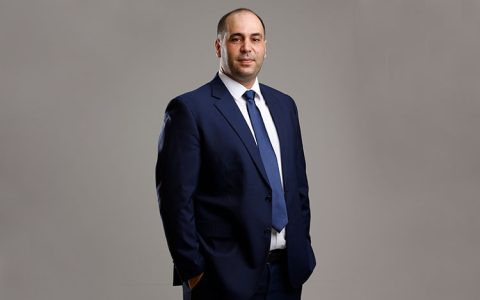
Mohamed Alabbar, Founder of Emaar, said, "At Dubai Square, the customer experience should begin before the mall entrance. Parking should be comfortable, intuitive and beautifully designed, not an afterthought. Every part of the journey, from arrival to departure, should reflect the quality of the destination."
The vision builds on Dubai Square's wider mobility concept. Announced by Emaar in December 2025 as the world's first drive-through mall, Dubai Square is designed around integrated transport, pedestrian-friendly streets and next-generation retail, with the proposed parking environment extending that thinking into the first and last five minutes of every visit.
By bringing together climate comfort, comprehensive interior design, mobility and hospitality, Dubai Square aims to set a new benchmark for how large-scale retail destinations approach parking, positioning it as part of the destination itself rather than a purely functional service area.
Extending design and hospitality principles into the parking experience reflects a broader shift among premium retail destinations towards treating every touchpoint of the customer journey as part of the brand. For a project already positioned as the world's first drive-through mall, this attention to the arrival and departure experience reinforces Dubai Square's ambition to redefine large-scale retail in the region.
Source: Emaar official communication
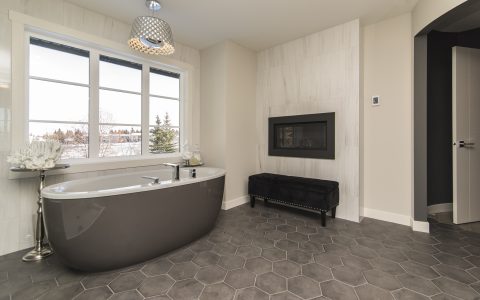
Planning a Bathroom Renovation in Dubai? Discover 2026 cost ranges, key price factors, timelines, and practical budgeting tips with insights from Yalla Renovation LLC.
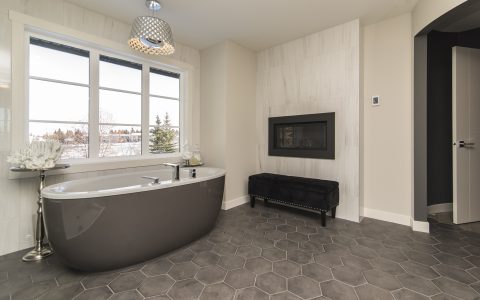
Planning a Bathroom Renovation in Dubai? Discover 2026 cost ranges, key price factors, timelines, and practical budgeting tips with insights from Yalla Renovation LLC.
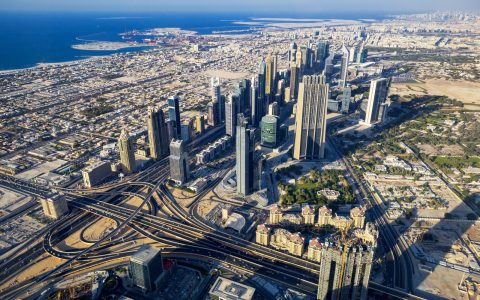
Rising property values are pushing Dubai homeowners toward full-scale renovations over cosmetic upgrades in established villa communities, according to K4 analysis.

Dubai luxury villa renovation demand has risen an estimated 35–50% in five years, with budgets reaching AED 20 million as affluent owners upgrade instead of moving, says Imperium Group.
Dubai's 2040 Urban Master Plan is reshaping how developers approach design, planning and construction. From smarter density and integrated communities to sustainable buildings and digital delivery, the strategy is setting new standards for creating resilient, connected and future-ready urban developments across the emirate.
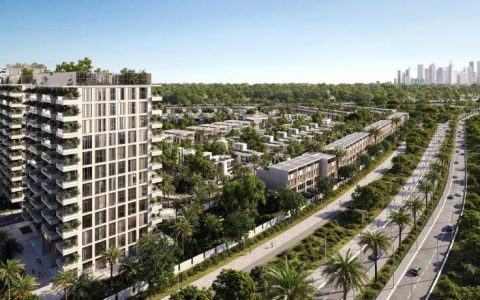
Dubai's Civility Initiative is set to influence the design of future residential communities, with developer Keturah highlighting a growing focus on liveability, public spaces, and resident wellbeing. The initiative is expected to shape how developers plan neighbourhoods, encouraging more people-centric and sustainable urban environments.
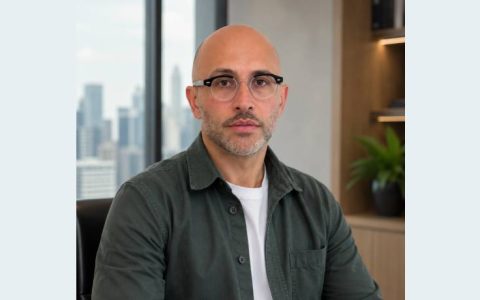
Andrea Corsini, CEO and Founder of Render Atelier, explains how architectural visualisation has evolved from a marketing asset into a strategic design tool. As Dubai's luxury real estate market matures, developers are increasingly using visualisation to refine design decisions, enhance buyer appeal, and create globally competitive projects.
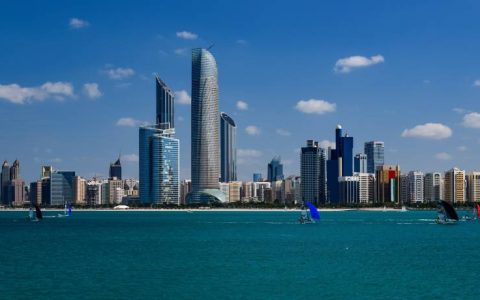
Woods Bagot has been appointed lead master-planning consultant for a nearly 10 million sq m sustainable city in Abu Dhabi, jointly developed by BILDCO and Wujod Real Estate. The AED 2 billion first-phase project departs from high-density norms, combining ecological living, wellness, equestrian and golf facilities, innovation hubs, and tourism hospitality across approximately 107 million sq ft.
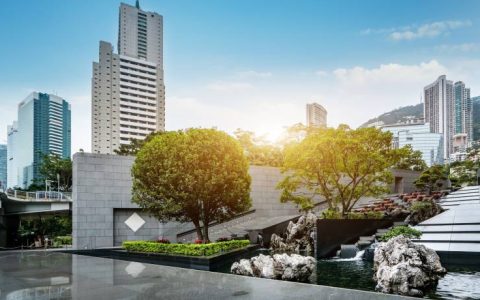
With cooling accounting for up to 80% of UAE building electricity use, Access Consult outlines six high-impact construction choices for heat resilience — from building orientation and façade design to insulation, roofing, and early HVAC coordination. North-facing windows alone cut cooling energy by 36%, while reflective roofing can offset surface temperatures reaching 70–80°C. These decisions directly shape operating cost, comfort, and alignment with UAE Energy Strategy 2050.
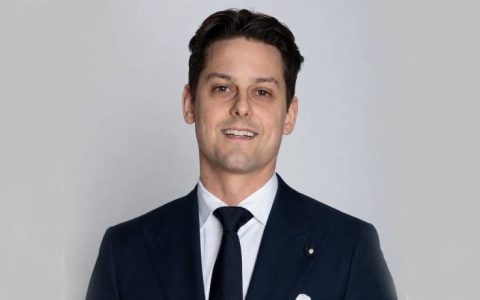
The UAE has 72,000 green-certified buildings — but EMFIS CEO Federico Marangoni argues the next standard is already overdue. Every modern building generates a continuous electromagnetic environment from wiring, Wi-Fi, and 5G. With certified healthy buildings growing 24x across the Middle East since 2021, and a 2026 peer-reviewed study questioning current exposure limits, electromagnetic health is becoming the built environment's next design imperative.
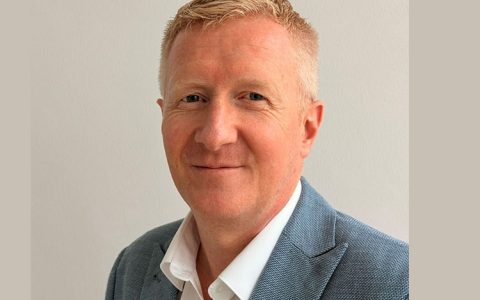
AtkinsRéalis has appointed David Kilgour as Client Development Director, Buildings & Places, Abu Dhabi, reinforcing its focus on accelerating growth in one of
‘First life, then spaces, then buildings, the other way round never works.’ Jan Gehl, Danish Architect and Urban Designer The quote is a reminder of the role of meaningful architecture in fostering a sense of community, promoting well-being, cultural identity, urban livability and inclusivity by reclaiming public spaces in our cities.
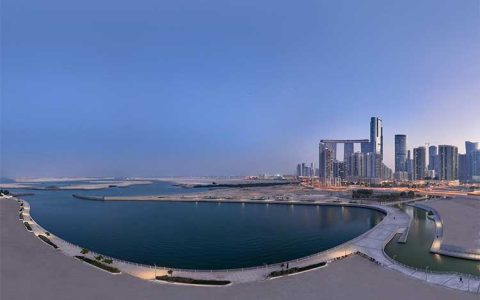
MERED, the award-winning international real estate developer, has appointed Dar Al-Handasah Consultants (Shair and Partners) – Dar – as the lead designc

Events are no longer about just filling up a ballroom. They’re about building brands, opening doors, and creating moments that move people and businesses
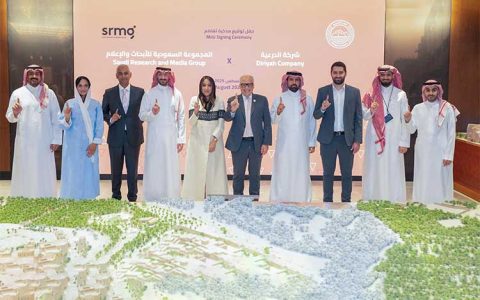
Diriyah Company has signed a strategic memorandum of understanding (MoU) with the Saudi Research and Media Group (SRMG) to expand collaboration in
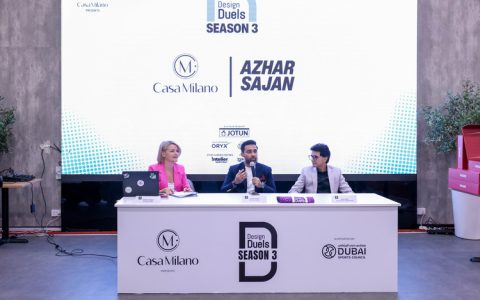
Design Duels, the UAE’s biggest multi-sport event for the design and home improvement industries, returns for its third season on October 11, 2025 at Danube Sports World.
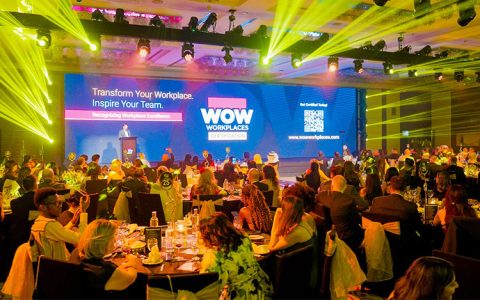
The ballroom at the Employee Happiness Awards was buzzing — the kind of energy you feel when great ideas and great people collide. EHA, a platform that celebrates inspiring employee
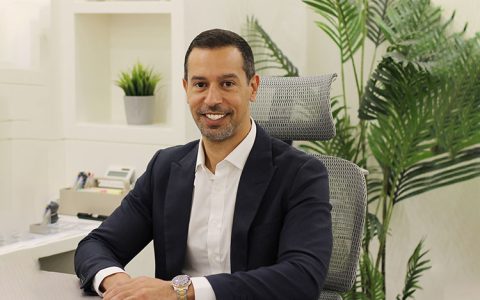
With over 25 years of global experience across three continents, Sherif Nagy, Chief Executive Officer of ME Fitout,
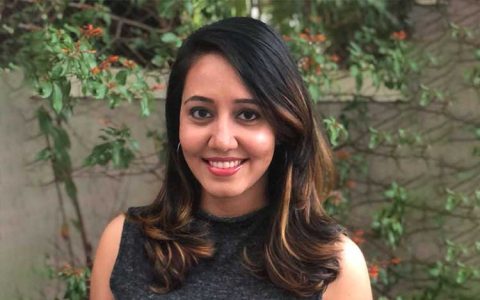
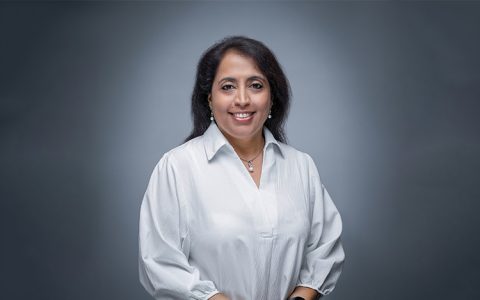
For Joohie Patel, design is more than a career—it’s a way of seeing and shaping the world. With a lifelong affinity for creativity and an education in interior
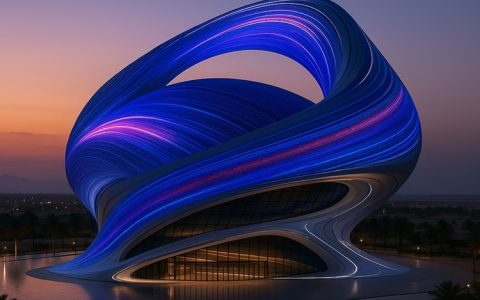
Trosmic Sports recently announced conceptual plans for Flux Halo, a next-generation indoor stadium that aspires to redefine real estate, live entertainment and sporting experiences in the GCC. Underpinned by USD 1 billion in available Japanese equity, Flux Halo represents a bold step toward creating one of the most technologically advanced and culturally impactful arenas in the world. While the final location remains under consideration within the GCC, Flux Halo is being positioned as a flagship
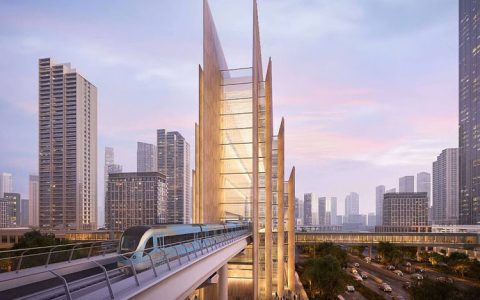
The Dubai Metro will soon be home to the world’s highest metro station. While laying the foundation stone of the Dubai Metro Blue Line, His Highness Sheikh
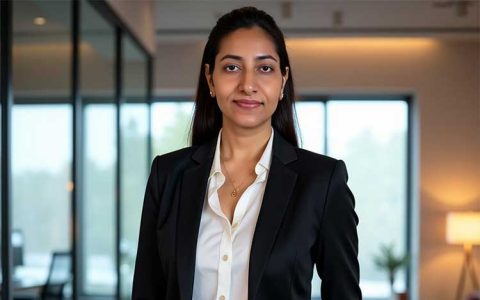
Kanupriya Gupta, the passionate and forward-thinking Founder & CEO of Do Interiors Yourself (DiY), embarked on a journey to revolutionize the Indian
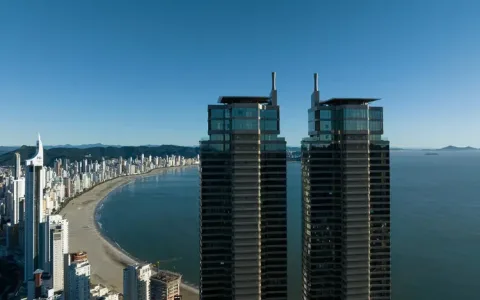
Italian design studio Pininfarina has completed Yachthouse, the tallest building in Brazil, cementing Balneário Camboriú’s reputation as South America’s skyscraper capital. The twin 81-storey towers reach 294 meters (964 feet), just six meters shy of ‘supertall’ status. Developed by Pasqualotto & GT, Yachthouse is designed to be an architectural icon. “With Yachthouse, the objective was never just to build the tallest building – it was to create an architectural icon that embodies performance, e
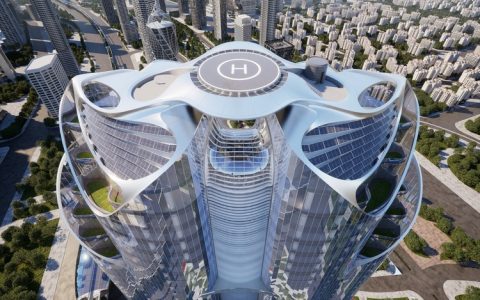
Magnom Properties, a real estate firm and subsidiary of Saudi Arabia’s Rawabi Holding, has signed a partnership with leading German Luxury Lighting Brand, Occhio, to bring its innovative lighting solutions to power the upcoming USD 1 billion Platinum LEED-certified, lifecycle net-negative carbon commercial Forbes International Tower. This partnership underscores Magnom Properties’ commitment to setting new standards in excellence through collaborations with innovative global brands. As part of t
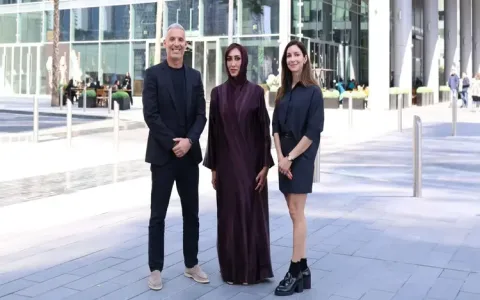
Elevision, the UAE’s leading digital-out-of-home (DOOH) media company, today entered an agreement with Dubai Design District (d3), part of TECOM Group PJSC. This partnership further cements Elevision's role in shaping Dubai’s media landscape and aligns with the UAE’s vision to position the city as a global creative capital under the Dubai Economic Agenda ‘D33’. With this latest expansion, Elevision is setting a new benchmark for DOOH engagement, brand storytelling, and audience connection in on
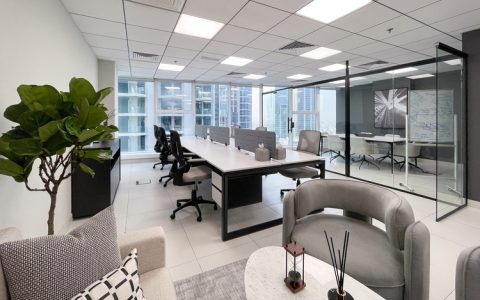
Office design is rapidly adapting to modern demands, making workspaces more flexible and comfortable. Technology plays a pivotal role in creating such environments, enhancing employee efficiency. Significant attention is given to ergonomics and the incorporation of natural elements in interiors, which foster a pleasant and inspiring atmosphere. Ekaterina Patalina, Founder of Cont de Arch, a design agency in the UAE, explains how innovations and flexible space planning can significantly boost pro
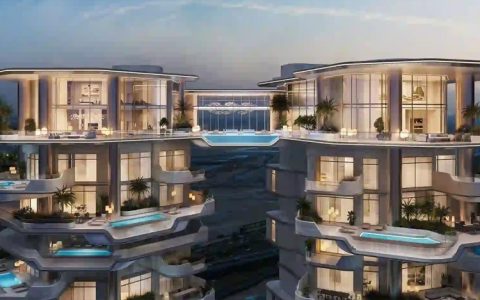
Foster + Partners, a global studio for architecture, engineering, urban and landscape design based in London, has revealed designs for Regent Residences

Abu Dhabi and Dubai recently marked the birthday of His Majesty King Charles III with a series of exceptional events. Attended by hundreds of specially-invited
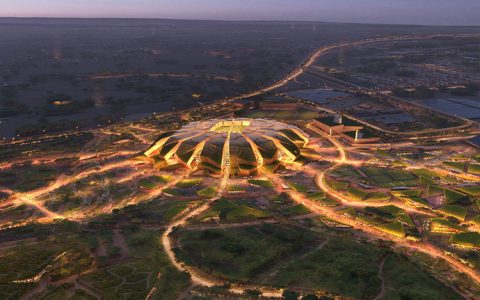
The Royal Commission for Riyadh City and the Ministry of Sports have unveiled the masterplan for King Salman Stadium, designed by US architectural group
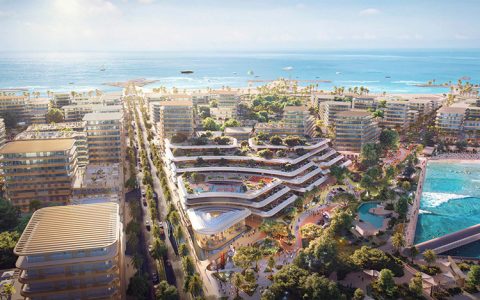
Foster + Partners have revealed their proposal for the Bilaj Al Jazayer Beach master plan, a new development aiming to introduce a new touristic destination
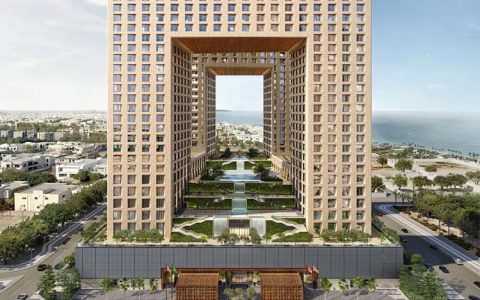
Saudi real estate developer Midad has announced that work has been completed on mega suspended bridges located
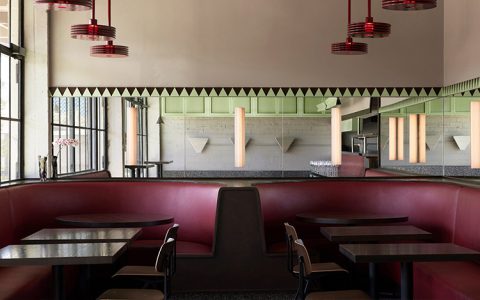
LA-based Jared Frank Studio has looked to Milan's history of modernist design for references while focusing on "what a West Coast pizza parlour could be".
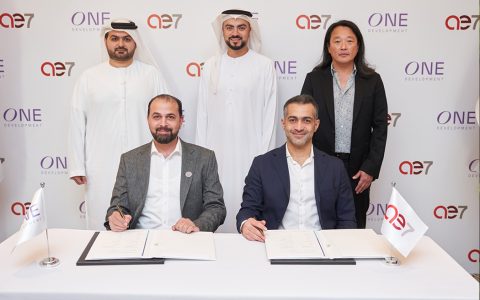
ONE Development, the UAE-based international boutique real estate developer, has announced the appointment of AE7, the globally respected architectural
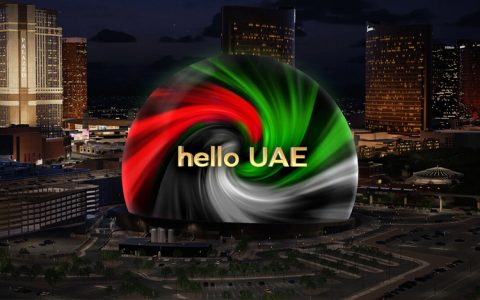
he Department of Culture and Tourism – Abu Dhabi (DCT Abu Dhabi) and Sphere Entertainment Co. announced that they will work together to bring the world's second Sphere to Abu Dhabi. This next
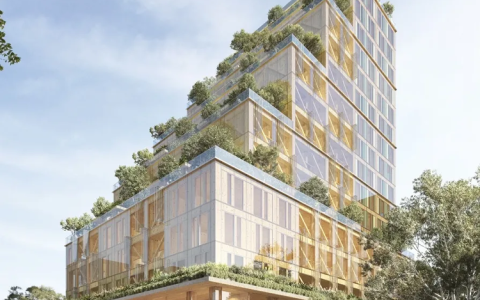
Designs for a new 17-storey, build-to-rent tower in Abbotsford have been released, with the project targeting the title of Melbourne’s tallest residential mass
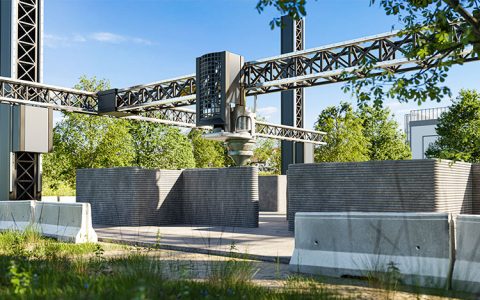
Walmart is venturing into 3D concrete printing as a novel approach to building retail spaces, partnering with Colorado-based Alquist 3D to create an 8,000-square-foot addition to its store in
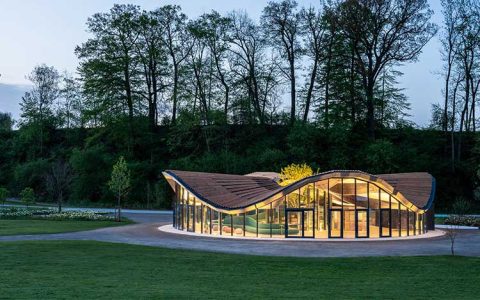
Warped timber and robotically-woven flax were used to create a pair of experimental structures in Germany,
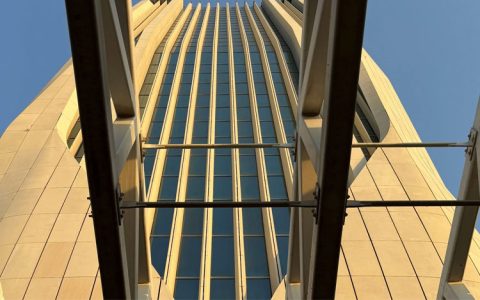
UK studio Zaha Hadid Architects has revealed photos of the Central Bank of Iraq skyscraper nearing completion on the banks of the Tigris in Baghdad.
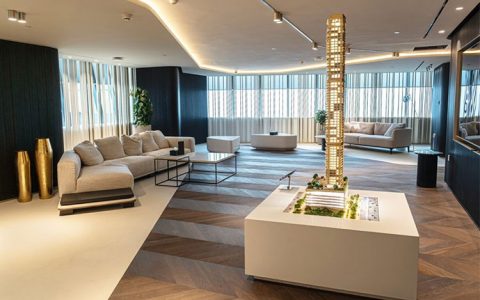
The award-winning global real estate developer Mered has revealed the opening of its new headquarters in Dubai Internet City, showcasing a 45-floor office
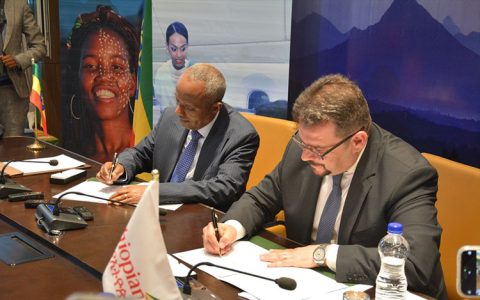
Ethiopian Airlines Group has announced plans to build Africa’s largest airport in Abusera – a critical element of Ethiopian’s 15-year strategic plan to become
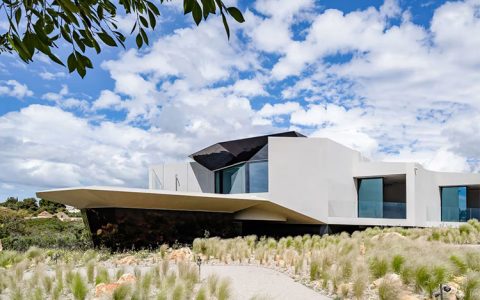
Inspired by sci-fi flicks, a high-tech spaceship-shaped house that “landed” by the beach in Portugal’s Algarve region has just come on the market for €9 million
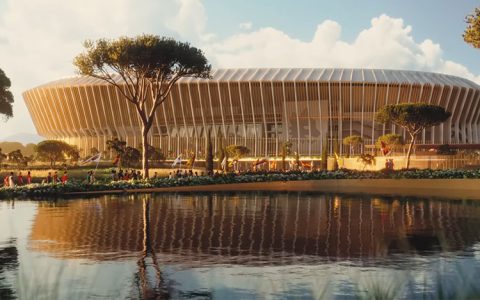
Italian football club A.S. Roma has released images showcasing its project for a new home stadium, designed by sports-focused architecture office Populous.
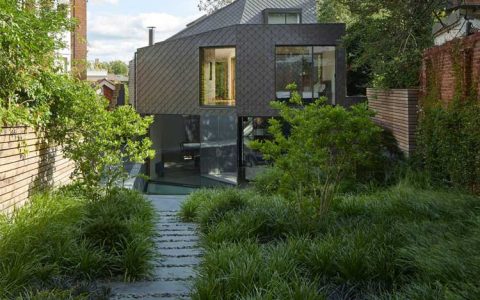
Site constraints and local architecture guide the angular form of Mesh House, a copper-clad home that London studio Alison Brooks Architects has completed in Belsize Park.
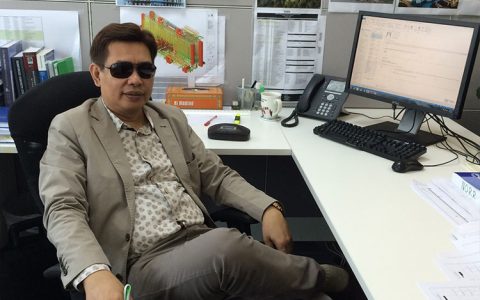
The significance of construction consultancy in building projects cannot be overstated. As global demand for sophisticated buildings increases, skyscrapers and
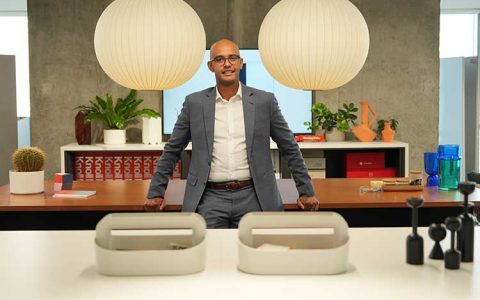
The landscape of the modern workplace is ever-evolving, and what we require of the spaces we work in is shifting in the face of economic, geopolitical, and
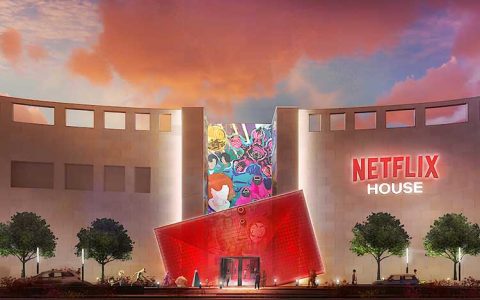
Streaming service Netflix has announced Netflix House, an immersive retail, food, and entertainment experience based on popular series to be located in malls
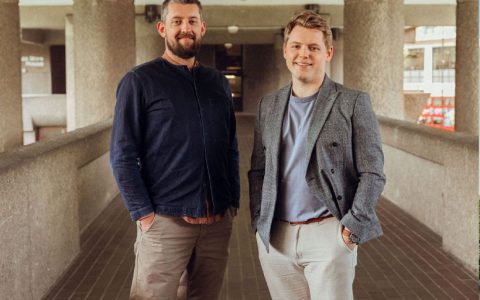
Gendo, an AI platform which transforms how architects and designers bring ideas and sketches to life, has raised an oversubscribed €1 million pre-seed round
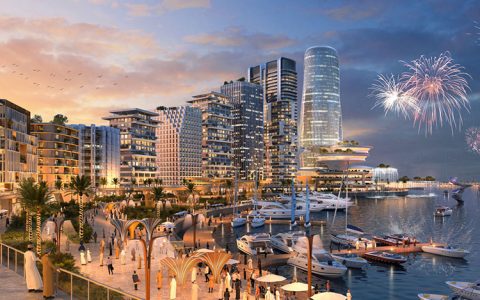
The Oman Ministry of Housing and Urban Planning (MoHUP) is forging ahead with the design of the $1.3-billion Al Khuwair Muscat Downtown and Waterfront
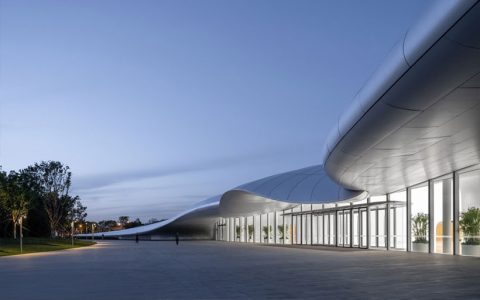
Ma Yansong of MAD Architects announces the completion of the 65,000-square-meters ZGC International Innovation Center in Beijing, designed to serve as
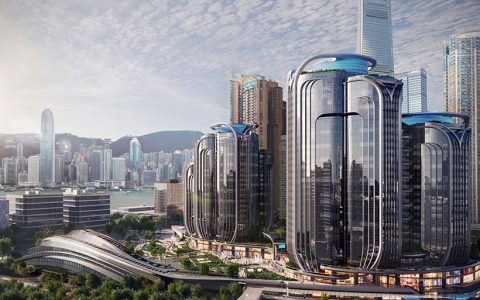
Zaha Hadid Architects presents the West Kowloon Terminus development in Hong Kong that features two pairs of interconnected office towers at the northern