




New analysis from K4 suggests homeowners across Dubai’s established residential communities are investing in larger-scale renovations as rising property values make comprehensive upgrades increasingly viable.
August 17, 2026 | Tripti Mehta | UAE | Design | 3 Min Read
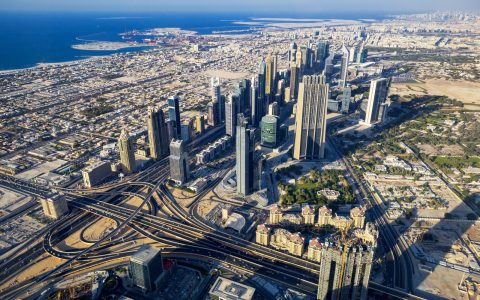
Image Courtesy: Magnific
Rising residential property values are reshaping renovation activity across Dubai, with homeowners increasingly investing in full-property upgrades rather than cosmetic improvements, according to a new market analysis released by UAE-based design and build company K4.
The company said growing property values across the emirate are encouraging owners to modernise existing homes through comprehensive renovations that include layouts, mechanical and electrical systems, kitchens, bathrooms, landscaping, smart-home infrastructure and lifestyle-focused spaces.
According to K4, the trend reflects a shift in how homeowners view renovation, with many treating it as a strategic long-term investment rather than a purely aesthetic exercise.
The analysis comes against the backdrop of continued growth in Dubai’s real estate market. K4 cited market data showing that Dubai recorded AED252 billion in real estate transactions during Q1 2026, representing a 31% year-on-year increase, while real estate investment reached AED173 billion, up 22% compared to the same period last year.
The company also pointed to rising property values in some of Dubai’s established residential communities. According to the analysis, average apartment prices on Palm Jumeirah increased 31% year-on-year in Q3 2025, while villa capital values in Jumeirah Islands rose 17.9% annually in June 2026.
K4 said these market conditions are encouraging homeowners to invest more heavily in upgrading existing properties, particularly where the underlying asset has appreciated significantly in value.
The analysis found that renovation projects are increasingly extending beyond interiors and finishes to encompass broader property enhancements.
Homeowners are commissioning projects that include layout reconfigurations, façade upgrades, landscaping, smart-home technology, air-conditioning systems, lighting controls, security systems and bespoke joinery, alongside traditional kitchen and bathroom renovations.
K4 noted that the ageing profile of housing stock in some of Dubai’s established villa communities is contributing to the trend. Many homes completed more than a decade ago are now trading at considerably higher values, while their original layouts and technical systems often require modernisation to meet current expectations.
According to K4, kitchens and service areas are attracting some of the largest renovation budgets, with growing demand for show kitchens, preparation kitchens, integrated appliances and specialist storage solutions.
Master suites and bathrooms are also receiving increased investment, with homeowners seeking larger dressing areas, premium materials and more functional layouts.
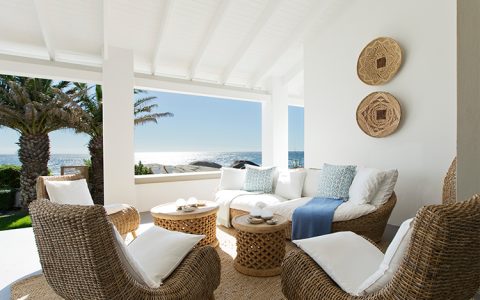
The company said outdoor living spaces are becoming a growing priority, with pools, terraces, landscaping and outdoor kitchens increasingly designed as extensions of interior living areas.
Dedicated home offices, gyms, wellness rooms, cinemas and flexible-use spaces are also becoming more common features within renovation briefs.
Communities Driving Renovation Demand
| Palm Jumeirah | Upgrading older luxury properties to match current market values |
| Jumeirah Golf Estates | Long-term family living and lifestyle enhancements |
| Jumeirah Islands | Modernisation of ageing housing stock amid rising values |
| Emirates Hills | Large-scale bespoke estate upgrades |
| Dubai Hills Estate | Post-handover personalisation and investment differentiation |
K4 identified five communities where renovation activity is particularly evident: Palm Jumeirah, Jumeirah Golf Estates, Jumeirah Islands, Emirates Hills and Dubai Hills Estate.
On Palm Jumeirah, the company said buyers acquiring older villas, penthouses and large apartments are increasingly undertaking extensive renovations to align interiors and technical systems with current luxury market standards.
In Jumeirah Islands, renovation demand is being driven by a combination of limited villa supply, rising property values and ageing housing stock, resulting in projects that often include extensions, façade upgrades, MEP modernisation, pools and landscaping improvements.
Meanwhile, homeowners in Jumeirah Golf Estates are increasingly adapting properties for long-term family occupation, focusing on larger kitchens, offices, entertainment areas and enhanced outdoor living spaces.
Dubai Hills Estate presents a different dynamic, with owners of newer properties primarily focused on post-handover personalisation through bespoke joinery, lighting, smart-home systems and selective layout modifications.
The findings highlight how rising property values are influencing investment decisions beyond property acquisition. As values continue to strengthen across established communities, homeowners are increasingly viewing renovation as a way to maximise the long-term potential of their assets while adapting homes to changing lifestyle needs.
For the wider real estate sector, the trend reflects growing maturity in Dubai’s residential market, where value creation is increasingly extending beyond new development into the enhancement and repositioning of existing housing stock.
Source: K4 market analysis