




Access Consult outlines six construction choices that can make UAE buildings more heat-resilient, from building orientation and façade design to HVAC coordination and insulation.
June 18, 2026 | Riya Malhotra | UAE | Design | 6 Min Read
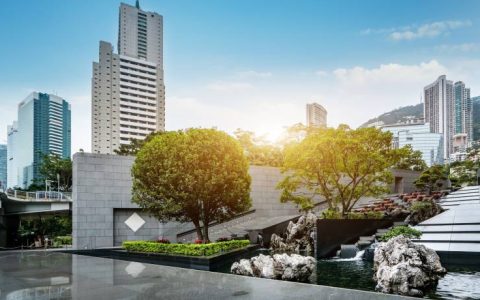
As the summer months approach, heat resilience is becoming a key priority for the UAE's built environment. In the region, cooling can account for up to 80 per cent of a building's total electricity consumption, making design and construction choices critical not only for occupant comfort but also for long-term operational efficiency and sustainability.
At the same time, the UAE Energy Strategy 2050 targets a 40 per cent reduction in energy demand across key sectors. This means buildings can no longer depend solely on mechanical cooling after completion. The decisions made during planning, design, material selection, and construction directly shape how liveable a building will be for future residents and tenants — and how much it will cost to operate over its full lifecycle.
At Access Consult, years of experience across the UAE's built environment have shown us that designing for this region requires a clear understanding of climate, local regulations, cultural context, user comfort, and operational performance. Drawing on this experience, we outline six construction choices that can help make buildings in the UAE more heat-resilient.
Heat resilience is no longer simply a sustainability objective. It has become a commercial and operational necessity. Buildings that are designed to reduce heat gain perform more efficiently, provide better occupant comfort, and incur lower operational costs over time. The most effective solutions begin during the planning and design stages, long before construction is complete.
One of the most effective ways to reduce heat gain is to study how the building sits on its plot. Orientation affects how much direct sunlight a building receives during the hottest parts of the day. Research conducted in the UAE shows that north-facing windows consume 36 per cent less annual cooling energy compared to windows facing other directions.
Consultants can help developers assess sun paths, neighbouring buildings, wind direction, and views before finalising massing and layout. By reducing unnecessary exposure on the most heat-sensitive façades, buildings can perform better before any mechanical cooling system is even switched on. This is one of the lowest-cost interventions available, yet it remains under-prioritised in the early planning stages of many UAE projects.
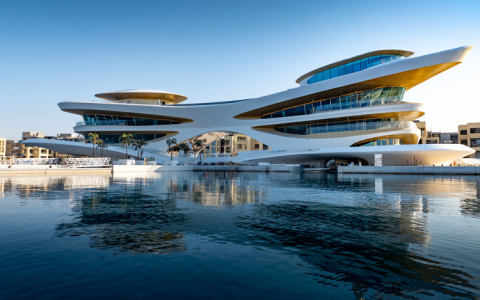
The façade is one of the most important elements in heat-resilient construction. It is the building's first line of defence against solar radiation, heat transfer, glare, and outdoor temperature extremes.
High-performance glazing, shading devices, insulated panels, balcony projections, façade fins, and carefully selected cladding systems can all help reduce heat gain. The aim is to design a building envelope that supports comfort and energy efficiency while still meeting the aesthetic and commercial ambitions of the project.
In the GCC, façade design must balance daylight, views, aesthetics, durability, and thermal performance simultaneously — an integration challenge that should be solved at the concept stage rather than retrofitted later.
Some materials absorb and retain heat quickly, while others help regulate internal temperatures more effectively. Choosing appropriate insulation, wall systems, roofing materials, and external finishes can significantly improve a building's performance during summer.
Light-coloured external materials can help reflect sunlight, while insulated walls and roofs reduce heat transfer into the building. In large developments, these choices can make a noticeable difference to indoor comfort and operational costs over time.
Good material selection also supports durability, which is critical in environments exposed to intense sun, humidity, and temperature fluctuations.
In hot climates, double-wall construction, cavity walls, and insulated blocks can help reduce the amount of heat entering a building and support more stable indoor temperatures. While these options may slightly increase initial construction costs, they contribute to long-term comfort and operational efficiency that delivers value over the building's lifecycle.
Cross ventilation should also be planned early. Windows on opposite walls, open layouts, and ventilation shafts can support natural air movement through the building. When airflow is properly considered, interiors feel less stagnant and cooling systems do not have to work as hard, reducing both energy consumption and equipment wear over time.
Roofs are among the most exposed parts of a building, making them a major source of heat gain. Standard dark bitumen roofs in the UAE absorb up to 90 per cent of solar radiation, reaching surface temperatures of 70°C to 80°C during peak summer.
Strong roof insulation, reflective finishes, shaded service areas, and, where suitable, green or landscaped roof zones can improve performance significantly. Outdoor spaces should also include shaded walkways, covered parking, pergolas, heat-appropriate paving, and shaded communal areas to make developments genuinely usable during warmer months.
For residential and mixed-use projects in particular, outdoor amenity is increasingly part of the value proposition, and unusable outdoor space during summer represents a real failure of design intent.
Even with strong passive design, buildings in the UAE still require mechanical cooling. This makes HVAC efficiency critical.
Consultants should coordinate cooling systems early with architectural, structural, and MEP teams to ensure cooling loads are calculated accurately, ducts are properly routed, and systems remain accessible for maintenance throughout the building's life.
Energy-efficient HVAC choices include:
High-SEER units
Smart or programmable thermostats
Regular maintenance planning
Clean filters and ducts
Properly sealed and insulated air ducts
Each of these has direct cost implications for the building owner over the operational life of the asset, meaning HVAC decisions made at construction stage are effectively decisions about future tenant comfort and future operating margins.
For developers, architects, FM operators, and asset owners working across the UAE's built environment, heat resilience is no longer a sustainability talking point. It is a commercial discipline that directly affects construction cost, operating cost, occupant comfort, asset value, and alignment with the UAE Energy Strategy 2050.
The six construction choices outlined above are not exhaustive, but they represent some of the highest-impact decisions made during the planning, design, and construction stages of a UAE project. When executed effectively, they shape buildings that perform better, cost less to operate, and remain genuinely liveable throughout the harshest months of the year.
Sources: Contributed by Access Consult. Supporting data referenced from publicly available UAE Energy Strategy 2050 framework documentation; cooling load research on UAE residential and commercial buildings (the 80% cooling-share-of-electricity figure is a commonly cited benchmark for UAE buildings); the 36% north-facing window energy efficiency figure referenced from UAE-context building science research; and the 70–80°C bitumen roof temperature data referenced from regional thermal performance studies on conventional UAE roofing.