




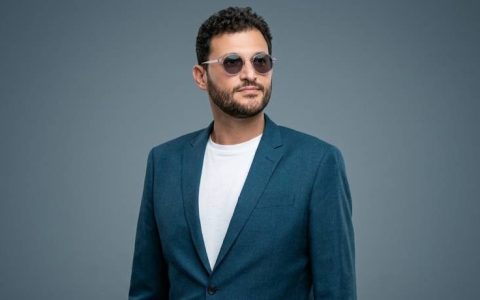
Talal M. Al Gaddah, CEO and Founder of Keturah, examines how capital discipline and shifting buyer priorities are reshaping Dubai's luxury real estate market. He says that global investors now see Dubai's fundamentals as structural rather than cyclical, a distinction he says matters more than ever amid volatility elsewhere.
July 14, 2026 | Talal M. Al Gaddah | UAE | Developer | 4 Min Read
Global luxury real estate capital is moving with greater selectivity, with the cities attracting long-term investment built on clear fundamentals. Dubai's off-plan luxury sector delivered almost AED 5 billion in sales for homes priced above AED 5 million in May alone, a figure that reflects the market’s current position. In London terms, this is equivalent to nearly 400 homes priced at over £1 million changing hands in a single month, showing a depth of buyer conviction that very few markets globally can match. Global investors now recognise that Dubai's fundamentals are structural rather than cyclical, and that distinction matters more than ever in a market defined by volatility elsewhere.
The regulatory environment is transparent and consistently applied, which is a critical factor for international buyers who operate across multiple jurisdictions and have a clear benchmark for comparison. At the same time, infrastructure delivery in Dubai continues at a pace that is difficult to replicate globally. Transport networks, civic amenities, and master-planned communities are executed with a level of coordination that directly influences long-term asset confidence. At this level of investment, buyers are not simply purchasing property; they are assessing the reliability of the ecosystem that surrounds it.
Capital placed in this market also tends to remain. Dubai is increasingly seen not only as a transactional destination for yield, but as a long-term base for lifestyle, business continuity, and residency planning. This shifts both the profile of the buyer and the way assets are held.
Against this backdrop, what constitutes luxury in real estate has changed materially. The traditional markers of location, size, and developer reputation remain relevant, but are no longer sufficient on their own to drive decision-making at the top end of the market. Today’s luxury buyers are more informed than ever. They compare markets globally in real time, access independent research, and rely on peer-to-peer experience more than marketing narratives. As a result, decisions are slower, more deliberate, and based on a wider set of criteria. Wellness, liveability, privacy, and long-term residency potential are now central to that evaluation process. Buyers want to understand how a home functions beyond aesthetics. They are assessing how it supports daily life, how it interacts with its surroundings, and whether it has been designed with long-term health and wellbeing considerations embedded from the outset.
This places a different level of responsibility on developers. It is no longer enough to present a strong concept or an aspirational brand position. Every aspect of design, delivery, and post-handover experience is now part of the evaluation process, and scrutiny is significantly higher than in previous cycles.
In this environment, reputation is earned through execution. Buyers expect developers to demonstrate that the promises made at launch will be reflected in the finished product and the quality of life it delivers over the long term. Dubai is well positioned to meet these expectations because the city has built its reputation on turning long-term vision into reality, as reflected in many landmark developments recognised worldwide. That focus on execution within the built environment is reflected in Keturah’s two luxury residential communities under development in Dubai, where wellness and healthy living are embedded into design, construction, and the everyday experience of residents.
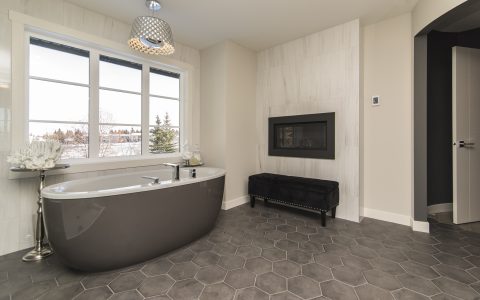
The Ritz-Carlton Residences at Keturah Resort, on the shores of Dubai Creek, will be the Middle East’s first fully wellness-certified resort. It brings together creek-side mansions, apartments, a Ritz-Carlton boutique hotel, and a standalone wellness centre, and is certified by the International WELL Building Institute. Keturah Reserve is the region’s first bio-living community to integrate wellness science into residential architecture at scale. It includes AED 200 million invested in proprietary antimicrobial tiling, breathable wall systems, and zero-VOC finishes designed to support healthier indoor living, where every surface contributes to environmental performance as well as comfort.
The next phase of growth in Dubai will be shaped by more projects that respond directly to how wealthy global buyers now live, work, and move between cities. Developers who understand this will set the standard for the coming decade, and those who do not will find themselves left behind. The city's standing in global luxury real estate has been earned through delivery, consistency, and ambition. The strength shown recently in its off-plan segment reflects that, and the more important question now is how developers respond to a buyer profile that has fundamentally changed.
The opportunity lies in building more closely to how quality of life is genuinely valued today, and that is where Dubai can further strengthen its position among the world's leading luxury real estate destinations.
The views expressed in this column are solely those of the author and do not necessarily represent the editorial position of Real Estate Market Times.