




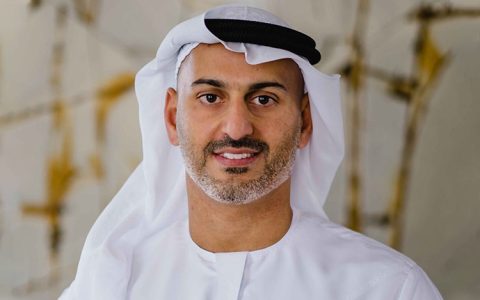
Eng. Amer Khansaheb, CEO and Board Member of Union Properties PJSC, shares his insights on building smarter, fairer, and future-ready cities
August 04, 2025 | Staff Reporter | UAE | Facilities Management | 3 Min Read
As the world's urban population continues to surge, the challenges of creating resilient cities and sustainable real estate are now more severe than ever. Building cities that are not only economically feasible, but also environmentally and socially viable is what defines the future of urbanisation. This necessitates an understanding of evolving urban management strategies, particularly those that incorporate innovative approaches, state-of-the-art technology, and a holistic vision for the future.
Urban cities must be designed with a long-term, strategic perspective that strikes a balance between the three crucial pillars of economic growth, environmental sustainability, and social equity. These components need to work together harmoniously to shape cities that will prosper for many generations to come. Stakeholders must also recognise that growth is required to be inclusive, with all residents having access to affordable housing, quality healthcare, education, and green spaces.
This is even more significant as this approach fits with the UAE's Green Agenda 2030, which aims to accomplish sustainable development goals and create a more environmentally friendly economy. Similar efforts have helped Dubai become the first city in the Middle East to receive Platinum certification from the Leadership in Energy and Environmental Design for Cities programme (LEED), with nearly 400 LEED-certified projects.
Alongside authorities, developers also serve as strategic partners in urban management, ensuring that development is in line with the broader goals of sustainability and social equity. A growing number of forward-thinking developers are concentrating on designing projects that include affordable housing options, energy-efficient designs, and sustainable practices. Developers play a key role in building liveable, sustainable, and versatile cities, from smart buildings that make use of cutting-edge technologies to the incorporation of green spaces that improve quality of life.
More importantly, developers also have the responsibility to promote inclusive growth. This entails providing housing options for a wide range of income brackets in addition to concentrating on luxury developments. By doing so, they can effectively address the increasing demand for inclusive communities and affordable housing, while simultaneously reducing environmental issues like resource depletion and climate change by embracing innovative design and sustainable building practices.
Today, technology is another critical pillar of urban resilience and sustainability, with significant potential to revolutionise urban management. With the aid of technology, stakeholders can make data-driven decisions, maximise resources, and prevent challenges before they become crises. The harmony of technology, infrastructure, green spaces, and transport systems must be given top priority in urban planning to ensure cities are resilient and sustainable for the long term.
This holistic strategy, which emphasises maximising wellness and developing a sustainable urban environment, is best illustrated by the Dubai 2040 Urban Master Plan. It reaffirms that a cohesive approach to wellness and convenience – supported by a holistic planning framework, empowered by technology, and led by our visionary leadership – is key to creating resilient, equitable, and sustainable cities for the future.
Stay updated with the latest Dubai facilities management news