




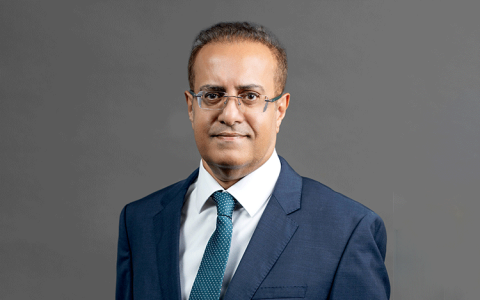
Facilities management has moved from a support function to a strategic necessity. Furqan Mian, Senior Operations Manager Dubai, NE & DC Operations at ENGIE Solutions UAE, outlines why integrated facilities management is now central to building resilient communities.
April 23, 2026 | Furqan Mian | UAE | Facilities Management | 5 Min Read
The traditional facilities management model was built for a simpler time, when buildings stood alone, maintenance was reactive, and success meant simply keeping the lights on and the air conditioning running. But, as cities across the Middle East evolve into interconnected ecosystems of mixed-use developments, that old playbook no longer works.
Today’s communities are complex environments where thousands of people work, live, and play. Managing them requires a fundamental shift, from maintaining structures to nurturing neighborhoods.
The difference between managing a single building and stewarding an entire community is profound. It’s not just about scale but the complexity and integration of systems. Community infrastructure requires expertise beyond conventional property management.
At ENGIE Solutions’ IFM division, we’ve spent decades managing community-wide infrastructure across major developments in the region. This experience has taught us that successful management rests on three pillars: deep technical expertise, smart deployment of digital technology, and an unwavering commitment to safety, quality, and environmental responsibility.
When these elements come together with Al-driven tools, maintenance shifts from reactive to predictive, resources are allocated based on data, and residents experience fewer disruptions.
Consider what happens when you integrate data-driven platforms with safety and security protocols. Sensors monitor everything from equipment performance to environmental conditions. Artificial Intelligence analyzes patterns, detects anomalies and prioritizes interventions based on actual criticality.
For example, at Standard Chartered Tower in Dubai, we implemented condition-based maintenance that consolidated insights from multiple data sources, enabling our teams to address root causes. The result? High workspace availability, reduced response times and optimized equipment lifecycle management, while maintaining LEED certification.
Better data ultimately leads to better maintenance decisions, extending asset lifespans and reducing costly emergency repairs.
The financial case for intelligent community management is compelling. Shifting from reactive to predictive maintenance changes the economics of asset ownership. Instead of sending technicians for routine monthly checks, sensors and AI tell us precisely when intervention is required. This approach reduces unnecessary maintenance, prevents failures and extends equipment lifecycles.
In our regional projects, we’ve achieved energy reductions of up to 32% through no-cost and low-cost measures, primarily by ensuring equipment operates as designed and optimizing run times. In the Middle East’s hot, humid climate, reducing unnecessary cooling yields particularly significant savings. This shift represents a rethinking of how we invest in and maintain community infrastructure.
Cost reduction matters, but it’s not the whole story. Developers and asset owners face mounting pressure to reduce carbon footprints and meet sustainability targets. This is where integrated facilities management (IFM) becomes essential.
Managing technologies such as solar PV or EV charging infrastructure requires specialized expertise. These systems require ongoing optimization to maintain efficiency. Specialist teams audit energy consumption, identify improvement opportunities, and implement solutions that reduce environmental impact.
The key is integration. Solar panels don’t operate in isolation but as part of a complex energy ecosystem. Optimizing one element without considering the others leaves value on the table.
Looking ahead, the convergence of AI and smart building technologies will redefine community and facilities management over the next five years. We’re moving beyond simple automation toward comprehensive systems that learn, adapt, and optimize themselves in real time.
The platforms we’re developing combine multiple technologies and regression models to share data and deliver optimal outputs. Technology must still be paired with experienced professionals who understand how complex infrastructure behaves under extreme regional conditions.
The most successful communities of the future will be those that marry technological capability with human judgment, where AI augments rather than replaces the expertise of seasoned professionals who understand the unique challenges of managing infrastructure in this region.
Ultimately, the measure of successful community management isn’t just uptime percentages or maintenance costs, though those matter. It is also about whether owners achieve their financial and sustainability goals and whether communities become more resilient and efficient over time.
That’s the promise of truly integrated facilities management. It goes beyond simply maintaining the physical infrastructure of neighborhoods and actively contributes to the quality of life within them. As our cities grow denser and more complex, that distinction will only become more important.
Ultimately, the future of community is about building communities that work better for everyone who calls them home.
“Predictive maintenance reduces both operating and capital expenses in tangible ways”
Furqan Mian, Senior Operations Manager Dubai, NE & DC Operations at ENGIE Solutions UAE