




Last updated: August 2026
Dubai’s infrastructure pipeline continues to expand alongside population growth, new development corridors and the emirate’s long-term urban plans. Major transport, road, airport and connectivity projects are reshaping how different parts of Dubai connect to one another and, increasingly, how new residential, commercial and mixed-use districts develop.
RemTimes tracks Dubai infrastructure news through the projects, government decisions, transport expansions, major construction milestones and urban-development initiatives that are shaping the emirate’s built environment.
| Project / indicator | Latest update |
|---|---|
| Dubai Metro Blue Line | AED 20.5 billion investment |
| Blue Line length | 30 km |
| Blue Line stations | 14 |
| Communities served | 9 key areas |
| Expected Blue Line daily users | 200,000 in 2030, rising to 320,000 in 2040 |
| Dubai Metro Gold Line | AED 34 billion investment |
| Gold Line length | 42 km |
| Gold Line stations | 18 |
| Al Maktoum International Airport | First phase on track for operations in 2032 |
| Final airport capacity | More than 260 million passengers annually |
The figures illustrate the scale of Dubai’s current infrastructure programme. The Metro Blue Line is designed to serve areas including Dubai Creek Harbour, Ras Al Khor, International City, Dubai Silicon Oasis, Academic City, Mirdif and Al Warqa, while the Gold Line will create another major connection across the emirate.
Al Maktoum International Airport is also progressing through its development packages, with Dubai Government confirming that the first phase remains on track to begin operations in 2032. The completed airport is planned to handle more than 260 million passengers annually.
Infrastructure news in Dubai extends well beyond individual road or transport announcements.
RemTimes covers:
The value of this coverage lies in connecting individual announcements to the larger development story of Dubai.
Transport remains one of the biggest drivers of Dubai’s infrastructure pipeline.
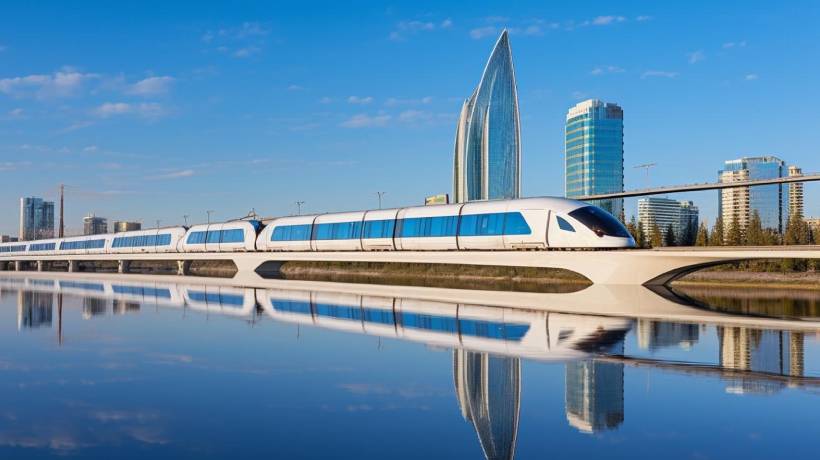
The Dubai Metro Blue Line is among the most significant current projects. Its 30-kilometre route includes 14 stations and is designed to connect nine areas with a combined population expected to exceed one million. RTA says daily ridership could reach 200,000 by 2030 and 320,000 by 2040.
In April 2026, Dubai also approved the Metro Gold Line, a 42-kilometre, 18-station project involving an investment of approximately AED 34 billion. The line will connect with the existing Red and Green lines and integrate with Etihad Rail.
These developments make Dubai Metro expansion news particularly relevant to the city’s longer-term urban growth.
Road infrastructure remains another major component of Dubai’s development programme.
The Oud Metha and Al Asayel Streets project forms part of the Sheikh Rashid Corridor Development Project and includes four major intersections, 4.3 kilometres of bridges and 14 kilometres of roads. RTA says the project will increase Oud Metha Road capacity by 50%.
The project also serves areas including Zabeel, Al Jaddaf, Oud Metha and Umm Hurair, demonstrating how road projects can directly affect connectivity between established communities and major development areas.
Hessa Street is another example. RTA opened the first phase in January 2026, covering a 4.5-kilometre section between Al Khail Road and Sheikh Zayed Road. The AED 690 million project expands capacity and is intended to support Dubai’s continued urban and population growth.
Dubai’s infrastructure story also extends far beyond roads and public transport.
The Al Maktoum International Airport development is one of the emirate’s largest long-term infrastructure projects. Dubai Government confirmed in June 2026 that major delivery packages were progressing, including passenger-terminal, concourse, runway, automated people mover and baggage-handling infrastructure.
Once fully developed, the airport is planned to become the world’s largest aviation hub, with capacity exceeding 260 million passengers and 12 million tonnes of air cargo annually.
For RemTimes, airport infrastructure is particularly important because aviation capacity can influence business expansion, logistics, employment, hospitality and real estate development around emerging corridors.
Infrastructure projects in Dubai increasingly sit within a broader urban-planning framework.
The Dubai 2040 Urban Master Plan places emphasis on connected communities, mobility, sustainable urban development and long-term population growth. The Metro Blue Line, for example, is explicitly positioned by RTA as supporting the 20-minute city concept and the wider Dubai 2040 framework.
This makes Dubai urban development news a natural extension of infrastructure reporting.
Key areas to monitor include:
Infrastructure matters to real estate because connectivity can influence where people live, where businesses operate and where developers choose to build.
A new Metro station, road connection or airport expansion does not automatically mean property prices will rise. Its real significance depends on factors such as accessibility, new supply, employment growth, population movement and the pace of surrounding development.
For that reason, RemTimes connects infrastructure stories with the residential, commercial and investment developments occurring around them.
The Blue Line provides a useful example. Its route passes through areas including Dubai Creek Harbour, Ras Al Khor, Dubai Silicon Oasis and Academic City, creating a direct link between a major transport investment and several existing or emerging development corridors.
Infrastructure investment is increasingly tied to Dubai’s economic growth ambitions.
The projects being delivered or planned span:
RTA’s project portfolio includes both completed and ongoing initiatives designed to improve connectivity, reduce travel times and support sustainable urban development.
Some of the most important infrastructure stories are those that change the potential of areas that are still developing.
Projects can make previously less-connected districts more accessible to:
For RemTimes, this creates an opportunity to report not only what infrastructure is being built, but which areas it connects and what development activity is emerging around it.
This is particularly relevant for locations such as Dubai South, Dubai Creek Harbour, Ras Al Khor, Dubai Silicon Oasis and other areas appearing repeatedly in major infrastructure and development announcements.
Several infrastructure projects deserve continued coverage because of their scale and long-term implications.
A 30-kilometre, 14-station project with an investment exceeding AED 20.5 billion. It is expected to serve nine areas and support a projected population of around one million.
A planned 42-kilometre line with 18 stations and an investment of approximately AED 34 billion, connecting with the Red and Green lines and integrating with Etihad Rail.
A long-term aviation development planned to begin operations in 2032, with eventual annual capacity exceeding 260 million passengers.
A major road and bridge programme involving 4.3 kilometres of bridges and 14 kilometres of roads, designed to increase road capacity and improve connectivity.
Through the remainder of 2026, important indicators include:
RemTimes will continue tracking these developments through its Dubai infrastructure news coverage.
This page combines RemTimes reporting with information from primary government sources and established business and infrastructure publications.
Dubai’s Roads and Transport Authority is a primary source for transport infrastructure projects, including Metro, roads, bridges and mobility developments. Its project portal provides information on both ongoing and completed projects.
Dubai Government’s official Media Office is used for major strategic infrastructure developments such as Al Maktoum International Airport.
Editorial note: Infrastructure projects can change in scope, completion dates and implementation status. Project information should therefore be reviewed and refreshed as official announcements and milestones are released.
Major projects include the Dubai Metro Blue Line, the planned Metro Gold Line, Al Maktoum International Airport expansion and major road and bridge programmes such as the Sheikh Rashid Corridor and Oud Metha–Al Asayel development.
The Dubai Metro Blue Line is a 30-kilometre metro project with 14 stations and an investment exceeding AED 20.5 billion. It will connect nine areas, including Dubai Creek Harbour, Ras Al Khor, International City, Dubai Silicon Oasis and Academic City.
The Gold Line is a planned 42-kilometre Dubai Metro route with 18 stations and an estimated investment of AED 34 billion. It will connect to the existing Red and Green lines and integrate with Etihad Rail.
Dubai Government says the first phase of Al Maktoum International Airport remains on track to begin operations in 2032. The completed airport is planned to have capacity exceeding 260 million passengers annually.
Infrastructure can influence accessibility, population movement, business activity and development potential. However, a new road, Metro station or airport does not automatically increase property values. Its effect depends on the location, surrounding supply, demand, employment and broader development activity.
Current major infrastructure projects involve areas including Dubai Creek Harbour, Ras Al Khor, International City, Dubai Silicon Oasis, Academic City, Mirdif, Al Warqa, Al Jaddaf, Oud Metha and other development corridors.
RemTimes provides ongoing Dubai infrastructure news covering transport projects, roads, bridges, airports, urban development, major infrastructure investments and projects affecting Dubai's real estate landscape.