




Dubai’s residential market is moving beyond the traditional amenity checklist as buyers increasingly look for homes that support wellbeing, connection and everyday balance. Aida El Shahabi, COO of Amwaj Development, shares how greenery, outdoor spaces and community-led design are reshaping what residents expect from the places they call home.
October 02, 2026 | Amwaj Development | UAE | Real Estate | 5 Min Read
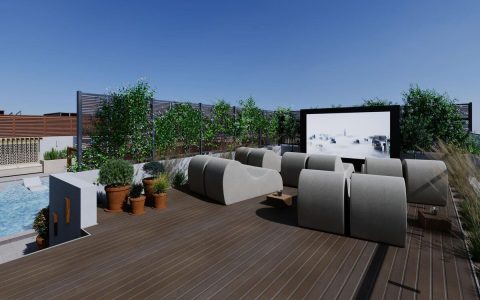
Image Courtesy: Amwaj Development
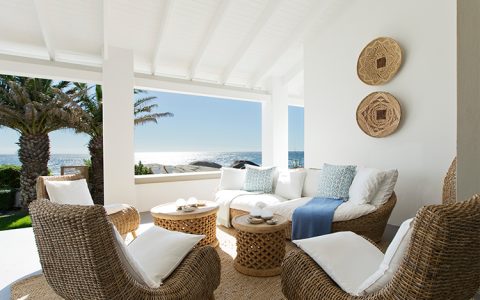
For years, travel has been one of the ways we step away from routine: a change of scenery, a slower pace and a chance to reset. But increasingly, the same qualities people once looked for in a holiday are beginning to shape what they expect from home.
In Dubai, that shift is becoming increasingly visible. Residential developments are moving beyond the traditional formula of apartments, a gym and a swimming pool, with greater focus now placed on wellbeing, nature, movement, social connection and spaces designed around everyday life.
This direction reflects a wider change in the city itself. Dubai’s Quality of Life Strategy 2033 places wellbeing, community, mobility, entertainment and access to services at the heart of future urban development. The strategy includes more than 200 projects, initiatives and supporting plans across 10 pillars, including health, society and family, mobility, culture, entertainment, the natural environment and the urban environment.
For developers, it represents a clear evolution in what residents expect from the places they call home.
“Homes are more than they used to be. With the rise of remote working and a greater awareness of health and wellbeing, people are increasingly looking for environments that support a more balanced way of living,” said Murad Saleh, CEO of Amwaj Development. “It is no longer only about the apartment itself. The wider environment has become just as important.”
Creating a home that genuinely supports wellbeing means thinking beyond individual units.
At Starlight Park, Amwaj Development’s residential community in Meydan, that approach can be seen throughout the wider development. Fitness studios and sports facilities sit alongside social spaces, landscaped areas and a rooftop cinema, creating different ways for residents to exercise, unwind, spend time outdoors or connect with one another.
Rather than viewing amenities as standalone additions, the intention was to consider how residents would actually experience the development throughout the course of a normal day.
“When we were developing Starlight Park, we wanted to think about everyday life; where people spend time outside their apartment, how families and neighbours interact and where residents can simply switch off,” said Aida El Shahabi, COO of Amwaj Development.
“For many people living in Dubai, particularly those who are away from their home countries, that sense of community matters. Good residential design should make it easier for people to feel comfortable, connected and at home.”
One of the most important elements of this shift is access to nature.
Dubai Municipality reported that parks and recreational facilities attracted more than 16.7 million visitors in 2025, with the city’s 211 public parks accounting for more than 11.4 million visits.
The figures point to something increasingly reflected in residential design: greenery is no longer simply decorative. For many residents, access to landscaped areas, fresh air and outdoor spaces has become part of how they evaluate where they want to live.
“In a city as active as Dubai, people naturally look for ways to feel closer to nature,” Saleh said. “Trees, landscaped areas and green spaces can change the way someone experiences their surroundings. Even something as simple as a morning walk feels very different when you are moving through greenery rather than concrete.”
At Starlight Park, landscaping is integrated throughout the resident journey rather than being confined to a single garden or outdoor zone.
From shared areas and walkways to the pool and communal spaces, greenery forms part of the overall environment, reinforcing the idea that wellbeing is shaped as much by the spaces between destinations as by the destinations themselves.
The growing focus on wellness has also raised expectations across Dubai’s residential market.
A basic gym and swimming pool, once considered significant selling points, are increasingly viewed as standard. Buyers and tenants are looking more closely at how facilities work together, how much usable outdoor space is available and whether the development supports the way they genuinely want to live.
“We don’t see this as another short-term trend,” Saleh said. “It reflects a broader shift in the way people think about their homes and what they expect from residential environments.”
“The question is no longer simply how many amenities a building has. It is whether those spaces genuinely add something to daily life.”
That distinction is becoming increasingly important as more developments position themselves around wellness.
For residents, factors such as location, access to greenery, the quality and relevance of amenities, construction timelines and the developer’s track record all play a role in determining whether the promise translates into reality.
Ultimately, wellness-led residential design is not about turning a home into a resort.
It is about creating an environment where movement, nature, social connection, privacy and moments of calm are naturally woven into everyday life.
As expectations continue to evolve, the developments that stand out may not be those offering the longest list of amenities, but those that understand how people actually want to live.
“Wellness should not be something added to a brochure,” Saleh said. “It should be reflected in how people move through a building, how they connect with their surroundings and how the spaces support their everyday routines. That is the shift we believe is here to stay.”
The views and figures expressed in this column are solely of and by the author, and do not necessarily represent the editorial position of Real Estate Market Times.