






Real estate shapes almost every part of economic and social life, but it rarely appears on the list of careers suggested to us when we leave school or decide what to study at university. For many people, the only visible path in real estate is brokerage. My new book ‘Building a Global Career in Real Estate Beyond Brokerage’ (out in December 2026) argues that this view is too narrow.
November 13, 2026 | Dr Michael Waters | UAE | Real Estate | 3 Min Read
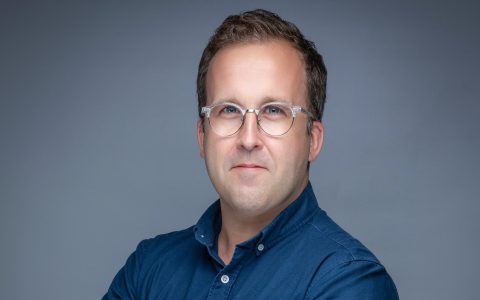
Image Courtesy: Heriot-Watt University Dubai
For many people, social media and popular TV has created a picture of what a career in property looks like and for many this is brokerage. Having spoken to hundreds of students and early career professionals, this popular misconception is skewed and disproportionate to the diversity of what many working in real estate actually do. A useful starting point is recognising that real estate is a profession in its own right. It has defined educational pathways and professional qualifications, comparable to accounting, engineering and law. It also connects closely to the wider economy, from the way assets are developed and valued to how they are managed and repurposed over their life cycle. Real estate as a career option offers variety, international mobility, purpose-driven work and competitive remuneration. Beyond this it is a very tangible career, often enabling us to create real impact in promoting positive urban change. The sector is very dynamic. Technology, digital transformation, sustainability and new business models are creating pathways that did not exist a decade ago, and a new generation of professionals need to evaluate the breath of opportunities that lie within a real estate career.
Brokerage is an accessible entry point, and Dubai, as a global market synonymous with success and ambition, illustrates both its appeal and its limits. Low barriers to entry and ultra-competition mean that standing out can be extremely challenging. To add, we rarely hear of the wave of wannabe brokers who enter without a clearly mapped plan around expectations. I examine brokerage as a path and I provide a range of professional steps that brokers can take to add to their professional credibility – ethics and further education stand out the most. The book's response is practical. It sets out a framework for career progression built around building global qualifications. I am not against brokerage as a credible path – in fact that’s where I started – but my call is for a greater appreciation to the other exciting parts of the profession that can form part of credible career planning
The book treats chartered status as a career milestone. It explains the route to membership of RICS, including the stages of the Assessment of Professional Competence (APC) and the competencies candidates must demonstrate. The guidance is process-driven. It covers preparing submissions, developing competencies, managing the assessment and performing well at the final interview. The book's position is that chartership adds credibility and widens international opportunities. It also supports progression into senior leadership and specialist advisory roles, discussing other comparable global property qualifications that can enable global mobility and greater credibility.
The book argues that technical knowledge and market expertise are not enough on their own. Ethical judgement, integrity and accountability are part of professional competence. It examines how personal values, organisational culture and professional standards all influence decisions made throughout a career. Building these themes into your real estate career plan elevates the clients you end up working with and also provides opportunity to take on more international and global orientated roles, a trend that the book points as one of building relevance and resilience in your real estate career.
A key final theme looks forward. Rather than predicting a single outcome, the book uses scenario planning to help readers consider how technological, economic, environmental and societal change might reshape the profession over coming decades. It closes by describing the future property professional. Two forces stand out, Artificial intelligence (AI) and sustainability. A range of academic debates further shape this forward-looking discussion, and I point reference to building three pillars of capital stacks as an important part of long-term professional success – these are: human, financial and social
I wrote this book to provide the motivation for many future professionals to think beyond brokerage when planning their career in real estate. Whether you are choosing subjects at school, completing a degree or working in brokerage today, the central point from this book is the same, a global real estate career benefits from deliberate planning: understanding the breadth of the profession, building credibility and preparing for change. What will you want to do in your future career? There aren’t many that are as exciting and fulfilling as working in real estate.