




Dr Noor Zainab Habib, Assistant Professor at Heriot-Watt University Dubai, explores how digital twins, advanced construction, clean energy and smarter mobility are coming together to support Dubai’s vision for a more connected, efficient and liveable city.
October 07, 2026 | Dr Noor Zainab Habib | UAE | PropTech | 4 Min Read
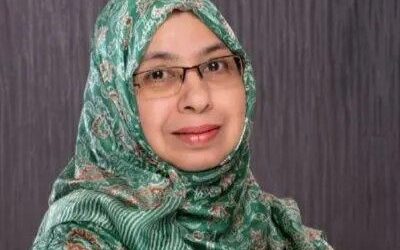
Image Courtesy: Heriot-Watt University Dubai
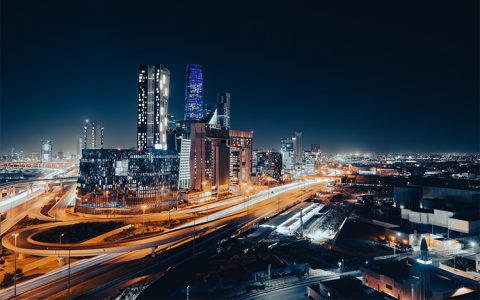
Over the past few decades, Dubai has transformed from a regional trading centre into one of the world’s most connected and technologically ambitious cities.
Through advances in engineering, technology and the built environment, the city has continued to rethink how infrastructure can contribute to everyday quality of life. In 2026, Dubai ranked second globally in Boston Consulting Group’s Intelligent Cities Index, according to the contributed article.
The next phase, however, is about more than building additional infrastructure.
Dubai’s future increasingly depends on making existing and new urban systems work together intelligently. The Dubai 2040 Urban Master Plan aims for 80% of residents to live within a 20-minute reach of essential services, while Dubai Municipality’s vision links connectivity with circularity, resilience and proactive planning.
Digital technologies are giving planners and engineers new ways to understand how developments could affect the city before physical changes take place.
Dubai Municipality’s digital twin capabilities combine geospatial data, artificial intelligence, machine learning and the Internet of Things to create detailed virtual representations of the city.
These models can simulate development scenarios and assess their potential effects on traffic, energy consumption, air quality and infrastructure. The Dubai Live platform goes further by bringing infrastructure, construction and planning information into a real-time city operations environment.
Technology is also changing the construction process itself.
Dubai has set a target for 25% of new buildings to use 3D-printing technology by 2030. Additive construction can help reduce material waste and shorten supply chains while making more complex architectural forms easier to produce.
Energy infrastructure is evolving alongside construction. The Mohammed bin Rashid Al Maktoum Solar Park has reached 3,860 MW of capacity, with plans to exceed 8,000 MW by 2030. Clean energy now represents more than 21.5% of DEWA’s total capacity, according to the contributed article.
Transport provides another example of engineering operating at city scale.
The 30-kilometre Dubai Metro Blue Line will extend rail connectivity into fast-growing districts, while Dubai is also pursuing its target for 25% of trips to be autonomous by 2030.
Alongside rail expansion, transit-oriented development, walking, cycling and micro-mobility can contribute to greater accessibility and reduce dependence on private vehicles.
The built environment itself is becoming increasingly important to the city’s liveability strategy. Dubai’s Blue and Green Spaces Roadmap 2030 includes more than AED4 billion in projects, around 1.5 million new trees, 120 new parks and 200 sports and recreational spaces.
Parks, shaded routes, landscaping and waterfronts can become infrastructure in their own right, supporting thermal comfort, public health, biodiversity and more walkable communities.
Dubai’s next stage will therefore be shaped not by one technology or landmark project, but by how effectively energy, materials, mobility, data, buildings and public spaces work as an interconnected system.
Engineering innovation can help bring those elements together; allowing Dubai to continue growing while improving resource efficiency, liveability and the everyday experience of the city.
The views and figures expressed in this column are solely of and by the author, and do not necessarily represent the editorial position of Real Estate Market Times.