




The luxury developer says wellness should become a standard feature of residential design as new Global Wellness Institute findings point to continued growth in the sector across the UAE.
August 04, 2026 | Tripti Mehta | UAE | Developer | 2 Min Read
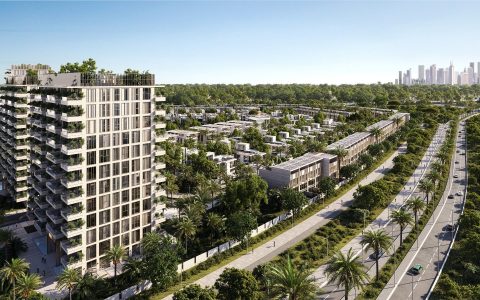
Image Courtesy: Keturah
Dubai luxury developer Keturah is calling for greater industry collaboration to accelerate the adoption of wellness-focused residential design, following the release of new research from the Global Wellness Institute (GWI) that highlights the growing role of health and wellbeing in real estate.
According to the GWI’s Initiative Trends 2026 report, the global wellness real estate sector is projected to exceed USD 1 trillion by 2029, as health-supportive design increasingly becomes a standard expectation rather than a premium feature. The report also identifies the UAE as one of the world’s fastest-growing wellness real estate markets.
The findings indicate that wellness real estate now represents more than 12% of all construction activity in the UAE, with the market growing from USD 3.3 billion in 2017 to USD 14.6 billion in 2025. The report also notes that more than 555,000 wellness-focused residential units are in the pipeline across the UAE and Saudi Arabia.
Commenting on the report, Talal M. Al Gaddah, CEO and Founder of Keturah, said the industry’s next phase should be driven by collaboration between developers, planners, architects, public health specialists and wellness professionals. “The next phase for the industry is collaboration rather than competition. We need planners, architects, public health leaders and wellness professionals working together, not developers acting alone. Dubai has the government vision and the market momentum to lead this globally, and now the wider industry needs to catch up,” he said.
The GWI report highlights several emerging trends expected to shape future residential development, including primal architecture, neuroarchitecture, the use of natural materials to reduce exposure to synthetic finishes, and the creation of more walkable communities that support healthier lifestyles across different life stages.
Keturah said the findings reinforce the growing importance of integrating health and wellbeing into residential planning as buyer expectations continue to evolve and developers place greater emphasis on long-term quality of life.
Disclaimer: The market statistics and projections referenced in this article, based on the Global Wellness Institute’s Initiative Trends 2026 report, were provided by Keturah.