




October 30, 2026 | Palak Kataria | UAE | Real Estate | 4 Min Read
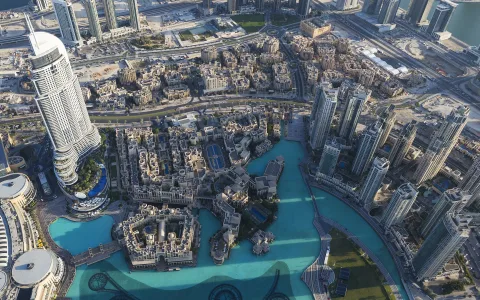
Image Courtesy: Magnific
Dubai has approved an Urban Centres Development Plan backed by more than AED2 billion in investment, with the objective of increasing property values across targeted areas by AED20 billion by 2040.
The initiative was approved during a recent meeting of The Executive Council of Dubai, chaired by HH Sheikh Hamdan bin Mohammed bin Rashid Al Maktoum, Crown Prince of Dubai, Deputy Prime Minister and Minister of Defence of the UAE.
The plan focuses on creating integrated urban communities, improving infrastructure efficiency and bringing residential, commercial and public facilities closer together.
The Urban Centres Development Plan will cover six major urban centres and 42 supporting sub-centres across Dubai.
Together, these areas account for approximately 12% of the emirate's urban area.
The initiative will be overseen by the Supreme Committee for Urban Planning and Dubai Municipality in collaboration with other government entities.
Its implementation will focus on three principal objectives: quality of life, economic returns, and infrastructure efficiency and cost.
The plan aims to encourage mixed-use development, reduce distances between homes and workplaces, and concentrate more residential and employment activity around public transport networks.
These measures are intended to support more efficient land use as Dubai's population and economy continue to expand.
The government expects the initiative to contribute approximately AED20 billion to the real estate value of the targeted urban centres by 2040.
This figure represents a projected increase in property value rather than confirmed investment returns or completed real estate transactions.
The development programme itself has an allocated budget exceeding AED2 billion.
The distinction is important: the AED2 billion represents planned expenditure on urban development, while the AED20 billion figure refers to the anticipated increase in real estate value associated with the initiative.
The plan seeks to achieve this through improvements in accessibility, infrastructure, community services and the concentration of economic activity.
For property owners and developers, these improvements could influence future demand and development opportunities in the areas covered.
However, actual property value changes will depend on implementation, market conditions and the performance of individual locations.
A central objective of the programme is to increase the proportion of Dubai residents living near metro stations.
The government aims to raise this figure from 52% to 74%, reflecting its emphasis on transit-oriented development.
Public service coverage is also targeted to increase from 74% to 85%.
These measures are designed to improve access to essential facilities, strengthen connections between communities and reduce dependence on private transport.
For the real estate sector, improved connectivity can influence residential location preferences, commercial accessibility and the attractiveness of mixed-use developments.
The plan also supports the integration of housing and employment centres, potentially creating opportunities for development around existing and future transport infrastructure.
Alongside the urban development programme, The Executive Council approved Dubai's Sustainable Population Planning Policy.
The policy is intended to align population growth forecasts with economic and urban development plans.
It will guide future decisions relating to public services, infrastructure and community facilities as Dubai's population changes.
The Council also approved a Digital Authorisation System designed to improve access to government services for individuals and businesses.
Together, the initiatives form part of a broader effort to coordinate urban expansion, population growth and government service delivery.
The Urban Centres Development Plan introduces a framework for directing investment towards established and emerging urban districts.
Its focus on mixed-use communities, transport accessibility and public services could influence where residential and commercial development takes place over the coming years.
The AED20 billion property value target provides a long-term measure of the government's ambitions, but it should not be interpreted as a guaranteed market outcome.
With implementation extending to 2040, the plan's impact will depend on infrastructure delivery, development activity and the effectiveness of coordination between government agencies.
For Dubai's real estate market, the initiative represents a policy-led approach to urban development that connects property growth with transport, public services and community planning.