




Dubai Municipality has updated Al Satwa's planning regulations, allowing additional residential floors, mixed-use buildings and higher-density development on qualifying plots measuring at least 1,000 square metres.
November 03, 2026 | Palak Kataria | UAE | Developers | 3 Min Read
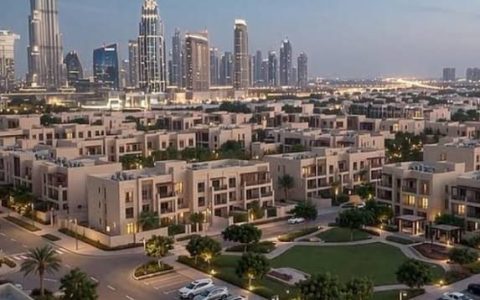
Image Courtesy: Bazaar Times
Dubai Municipality has revised planning regulations for Al Satwa, allowing taller residential buildings and expanding development options for property owners in one of the city's established neighbourhoods.
Announced on 1 November 2026, the changes introduce greater flexibility for residential and commercial construction based on plot size, location and other planning requirements.
The revised framework aims to improve land-use efficiency, encourage property redevelopment and support the area's long-term urban development.
Under the updated regulations, plots located along internal roads can accommodate a ground floor and two additional floors of residential apartments.
The previous planning framework primarily permitted attached villas on these plots.
The change creates opportunities for landowners to develop apartment buildings in locations where residential construction options had been more restricted.
Plots along external roads will also benefit from greater flexibility.
Depending on location and applicable requirements, these properties may accommodate a commercial ground floor with two or three residential floors above.
This approach allows certain sites to combine retail or other commercial activities with residential accommodation.
The revised rules could support additional housing and business space within Al Satwa, although individual developments will remain subject to the relevant approvals.
One of the most significant changes concerns plots measuring at least 1,000 square metres.
Eligible properties can qualify for a ground floor and eight additional residential floors, with a floor area ratio of up to 3.5.
The incentives apply to existing plots that meet the minimum size requirement and to sites created by combining two or more smaller plots.
Landowners may also be permitted to incorporate access lanes between adjoining plots into a consolidated development site, subject to approved procedures.
The measure is intended to encourage the creation of larger sites that can accommodate more integrated residential projects.
A floor area ratio of 3.5 means that the permitted total floor area is generally limited to 3.5 times the relevant plot area, subject to the municipality's applicable calculation and planning rules.
The additional development potential is conditional and does not automatically grant every property owner permission to construct eight residential floors.
Al Satwa is an established urban district with a combination of residential buildings, local businesses and community facilities.
The revised regulations recognise the area's location within Dubai's wider urban environment and seek to balance redevelopment opportunities with its existing character.
By allowing greater residential density on eligible plots, the municipality aims to encourage more efficient use of land.
The changes may also create opportunities for property owners to assess redevelopment options for older buildings or underutilised sites.
However, the commercial feasibility of individual projects will depend on land costs, construction expenses, financing and planning requirements.
Dubai Municipality said it coordinated with relevant service authorities while reviewing the planning framework.
The process included assessments of infrastructure capacity and traffic requirements to support future development.
These considerations are particularly important when additional residential floors or commercial spaces increase the number of people using existing roads and public services.
Engineer Mansour Al Rais, Director of the Executive Planning Department at Dubai Municipality, said the changes were intended to give property owners and investors greater flexibility while supporting sustainable urban development.
The municipality has emphasised the need to improve existing districts without overlooking infrastructure requirements or the characteristics of established neighbourhoods.
Property owners and developers can review the updated requirements and apply for relevant services through the Build in Dubai platform.
The revised regulations provide a framework for evaluating development opportunities, but specific permissions will depend on whether individual plots satisfy the required criteria.
For investors and developers, the changes could influence land-use strategies and the feasibility of residential and mixed-use projects in Al Satwa.
The longer-term impact will depend on the number of eligible properties, the pace of redevelopment and the ability of infrastructure to accommodate additional activity.
The planning update represents a further step towards increasing development flexibility in Dubai's established urban areas while supporting more efficient use of available land.
Sources: Dubai Media Office, Emirates News Agency, The National, Build in Dubai