




An AED152 billion infrastructure pipeline could support property appreciation of up to 25% around selected Dubai transport hubs, according to market analysis highlighting the Metro Blue Line, Al Maktoum International Airport and expanding rail connectivity.
October 14, 2026 | Palak Kataria | UAE | Real Estate | 3 Min Read
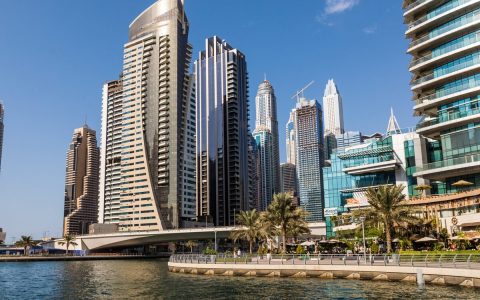
Image Courtesy: Magnific
Dubai’s next chapter of property growth may be shaped as much by transport connections as by the buildings rising around them.
A market analysis by W Capital Real Estate Brokerage highlights how approximately AED152 billion in major infrastructure investment could influence demand and property values across emerging districts.
The analysis points to a potential increase of up to 25% in land and property values near key transport infrastructure, with the Dubai Metro Blue Line expected to play an important role.
The AED20.5 billion Dubai Metro Blue Line will extend across 30 kilometres and include 14 stations, connecting established neighbourhoods with developing residential and commercial areas.
Communities expected to benefit include Dubai Creek Harbour, Dubai Silicon Oasis, International City, Mirdif, Al Warqa, Ras Al Khor and Dubai Academic City.
According to projections attributed to Dubai’s Roads and Transport Authority, property and land values around Blue Line stations could rise by as much as 25%.
The potential impact is supported by historical market trends. CBRE research cited in the analysis found that residential properties within a 15-minute walk of Red Line stations recorded 26.7% price growth between 2010 and 2022.
These figures provide a useful indication of how transport accessibility can influence property demand, although actual performance will depend on location and market conditions.
The largest component of the infrastructure programme is the AED128 billion expansion of Al Maktoum International Airport.
The project is designed to eventually accommodate 260 million passengers annually, with five parallel runways and 400 aircraft gates.
Its wider economic impact could extend well beyond aviation.
As airport operations, logistics businesses and commercial activity expand, Dubai South is expected to attract demand for housing, office space, retail and mixed-use communities.
For property developers, this creates opportunities to plan neighbourhoods around employment centres and transport infrastructure.
The analysis also highlights the proposed 80-kilometre Fourth Federal Corridor and the wider Etihad Rail network.
Improved connections between Dubai and other emirates could support commuting, commercial activity and residential development in locations with stronger regional accessibility.
Transport-linked districts may also attract growing rental interest as travel becomes more convenient, although projected rental premiums remain dependent on future connectivity and local demand.
These developments support the objectives of the Dubai 2040 Urban Master Plan, including its ambition to create communities where residents can access essential services within a short journey.
For investors and homebuyers, the growing importance of connectivity adds another consideration to property decisions.
Rather than looking only at existing commercial centres, buyers may increasingly evaluate how future stations, airport facilities and inter-emirate transport links could influence the long-term appeal of individual neighbourhoods.
Dubai’s infrastructure programme is therefore creating a broader property story: one in which accessibility, employment and community development work together to shape the city’s future.
Sources: W Capital Real Estate Brokerage, Dubai Roads and Transport Authority; CBRE; Dubai 2040 Urban Master Plan; Dubai Airports; Etihad Rail