




Savills says the emirate’s property market remained resilient despite Q2 moderation, supported by off-plan demand, developer confidence and stable office occupier activity.
July 29, 2026 | Riya Malhotra | UAE | Real Estate | 3 Min Read
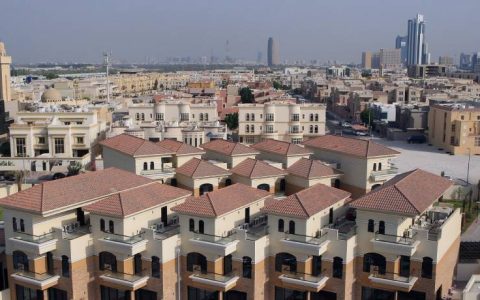
Image Courtesy: The National News
Abu Dhabi’s property market moved into a more measured phase during the second quarter of 2026, but underlying fundamentals remained resilient across both residential and office sectors, according to new research from Savills Middle East.
The consultancy said seasonal factors, including Ramadan, Eid and the onset of summer, as well as regional geopolitical uncertainty, influenced market activity during Q2. However, demand continued to be supported by end-users, off-plan buyers, developer confidence and the emirate’s long-term economic outlook.
In the residential market, transaction volumes in the first half of 2026 rose 107 percent compared with H1 2025. While activity moderated from the record levels seen in the first quarter, Q2 residential transaction volumes remained 85 percent higher than the same period last year.
Off-plan activity continued to dominate the market, accounting for 85 percent of all residential transactions. Around 2,100 residential units were launched during the quarter, reflecting continued developer confidence despite wider regional uncertainty.
Apartments represented 78 percent of all residential transactions during the period. The quarter also saw major ultra-prime activity, including an AED200 million penthouse transaction at Four Seasons Private Residences on Saadiyat Island.
Residential prices remained broadly resilient, although the market recorded some quarter-on-quarter adjustment. Median apartment prices eased by 6.6 percent, while villa and townhouse prices declined by 3.3 percent. Savills said the movement was largely linked to the mix of transactions and newly launched developments rather than a broad-based fall in underlying values.
Andrew Cummings, Head of Residential Agency at Savills Middle East, said Abu Dhabi’s market had naturally shifted to a more sustainable pace after an exceptional start to the year.
“Whilst transaction volumes moderated compared with the record levels seen in Q1, Q2 residential transactions remained 85% higher than Q2 2025, while H1 2026 transaction volumes increased by 107% compared with H1 2025, highlighting the continued strength of Abu Dhabi’s residential market,” he said.
He added that demand remains driven by end-users and off-plan buyers, while the pace of new launches continues to reflect confidence in Abu Dhabi’s long-term growth story.
The office market also recorded a more measured quarter. Total leasing transactions declined 5 percent quarter-on-quarter to 10,760 transactions, with Savills attributing the slowdown to seasonal factors and delayed decision-making by some occupiers.
Despite this, office leasing activity during the first half of 2026 remained 4 percent higher than the second half of 2025, indicating continued resilience in occupier demand.
Demand remained concentrated in the Grade A office segment, particularly within Abu Dhabi Global Market, which accounted for around two-thirds of recorded office enquiries during H1 2026. Financial services firms remained the main source of demand, alongside legal, technology, healthcare and insurance occupiers.
Flexible workspace also continued to gain traction as businesses sought more adaptable office solutions.
Looking ahead, approximately 170,000 square metres of new Grade A office space is expected to be delivered through developments including One Maryah Place, Yas Business Park and Saadiyat Business Park, with most scheduled for completion during 2027.
Harry Ransom, Head of Commercial Agency at Savills Middle East, said the Q2 slowdown should be viewed as a pause in decision-making rather than a weakening in demand.
“Businesses remain committed to Abu Dhabi, particularly within the Grade A segment, where availability continues to be constrained,” he said.
Savills expects both the residential and office sectors to remain supported by Abu Dhabi’s economic fundamentals, continued investment, population growth and business-friendly environment.
While Q2 reflected a more measured pace after a strong start to the year, the report points to a market that is transitioning toward more sustainable growth while maintaining healthy demand and long-term momentum.
Source: Savills Middle East research