




While market sentiment continues to be shaped by global uncertainty, a growing segment of investors is taking a longer-term view of Dubai real estate. According to Abhishek Jalan, CEO of Grovy Developers, branded residences and emerging destinations are becoming central to a new phase of value creation, asset preservation and strategic investment.
July 20, 2026 | Riya Malhotra | UAE | Developer | 4 Min Read
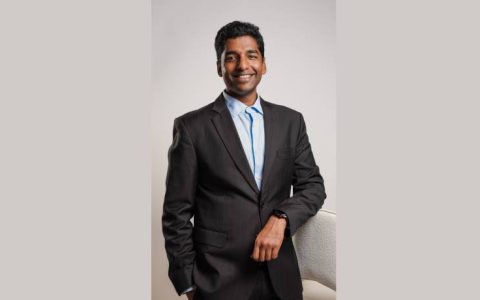
The notion that geopolitical uncertainty is diminishing Dubai’s appeal among investors is one that Abhishek Jalan firmly challenges. In his view, the market is witnessing the emergence of a more sophisticated investor profile, one that recognises opportunity during periods of recalibration rather than waiting for complete stability to return.
While transaction volumes have softened compared to the peak activity witnessed in October 2022, Jalan notes that market activity has begun to recover. He points to improving volumes through April and a notable rise in buyer confidence over recent months.
According to Jalan, this shift reflects a more mature investment mindset. Rather than reacting to short-term market sentiment, investors are increasingly evaluating fundamentals and entering the market when pricing and conditions offer stronger long-term value.
For Jalan, the appeal of branded residences extends beyond luxury positioning. He believes their greatest strength lies in asset protection and value preservation.
Unlike conventional residential buildings, which may experience a gradual decline in service standards and maintenance quality over time, branded residences benefit from the oversight of established hospitality operators. Through professional management, operational consistency and ongoing maintenance standards, these assets are designed to retain quality and value across market cycles.
“Branded residences serve a single purpose: asset protection and preservation,” Jalan says.
He explains that when a globally recognised hospitality brand manages a property, owners benefit from hotel-grade property management, premium services and infrastructure standards that help maintain the asset’s long-term desirability. As a result, investors are purchasing more than a residence; they are acquiring a professionally managed, revenue-generating asset backed by an international brand.
The partnership between Grovy Developers and Wyndham represents a significant milestone in the company’s UAE journey.
Since entering the UAE market in 2015, Grovy has established its presence through a series of completed projects in Jumeirah Village Circle, including Alcove, Aria and Aura. More recently, the company launched RIVO at Dubai Land Residential Complex, with construction progressing according to schedule.
The launch of Ramada Residences by Wyndham at Dubai Islands marks Grovy’s entry into the branded residences segment, supported by Wyndham’s global expertise in hospitality operations and asset management.
For Jalan, the timing of this move is deliberate. He believes periods of market adjustment often present the strongest opportunities to establish projects positioned for future growth.
Among all segments of Dubai’s real estate market, Jalan expresses his strongest conviction in Dubai Islands.
He notes that the destination currently remains the most competitively priced island community in Dubai when compared with established luxury waterfront locations such as Palm Jumeirah, Pearl Jumeirah, Maritime City and Mina Rashid.
According to Jalan, this pricing gap should not be viewed as a discount but rather as an indication that Dubai Islands is still in the early stages of its growth trajectory.
With planning aligned to the Dubai 2040 Urban Master Plan and approvals already in place for short-term rental operations, he believes the district is uniquely positioned for long-term capital appreciation.
The market’s response appears to support that outlook. Since the signing of the Wyndham partnership, Grovy has recorded a significant increase in inquiry levels, alongside growing interest from investors focused on long-term value creation rather than short-term yields.
For Jalan, Dubai’s success has always been built on investors who understand market cycles and act accordingly.
“Dubai has always rewarded those who read the cycle correctly. The investors entering now are not reacting to headlines, they are studying the fundamentals,” he says.
In his view, branded residences represent one of the strongest examples of those fundamentals at work. Professionally managed, internationally recognised and designed to preserve value over time, they reflect the changing priorities of investors seeking stability alongside growth.
Rather than losing momentum, Jalan believes Dubai’s real estate story is evolving. And for investors focused on long-term fundamentals, the next chapter may already be underway.