





Dubai’s first towers are approaching 20 years, and much of what keeps them running is reaching the end of their first life. Whether that becomes a burden or the market’s next great opportunity depends on decisions owners are making now.
November 11, 2026 | Tripti Mehta | UAE | Real Estate | 14 Min Read
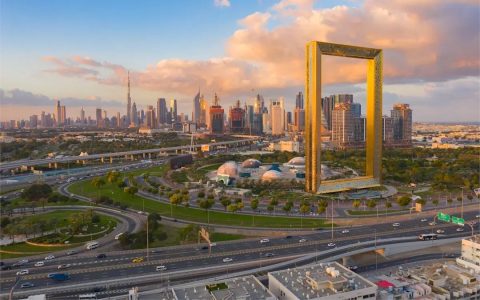
The skyline that announced Dubai’s arrival as a global property market is no longer new. The towers delivered between 2005 and 2012, across Dubai Marina, Jumeirah Lakes Towers, Business Bay and the early phases of Downtown, went up at a pace few cities have matched. Two decades on, many of the systems installed at handover, from chillers and lift controls to façade sealants and waterproofing membranes, are nearing the end of their first service cycle.
For an industry long organised around launches and handovers, this is unfamiliar ground. It is not, however, a story of decline. A mature building renewed with intent can compete on location, community and proven performance, advantages that new stock takes years to acquire. The more pressing questions are how that renewal should be approached, who delivers it, and where the value it creates will settle.
Image Courtesy: Wael Boureslan, Group Head of Engineering, Arabian Construction Company (ACC)
Wael Boureslan, Group Head of Engineering, Arabian Construction Company (ACC), sees the work already moving towards systems that rarely draw attention until they fail. “As Dubai’s building stock matures, some of the most significant renewal needs are often less visible. Chilled-water systems are a good example. Deterioration of pipe insulation and vapour barriers can lead to persistent condensation, which can damage ceilings and finishes, contribute to corrosion and result in recurring maintenance issues. Waterproofing and wet areas, particularly toilets, are similarly important. Localised failures can allow water ingress and, if left unaddressed, affect multiple occupied spaces and lead to more extensive repair work,” he says.
Vertical transportation sits in a category of its own, where routine servicing can mask a deeper need. “Elevators are slightly different, as they typically benefit from continuous specialist maintenance. However, maintenance should be distinguished from modernisation. As installations age, controls, drives, door systems and other components can become obsolete. Targeted modernisation, or more comprehensive replacement where necessary, can improve reliability, safety, energy performance and ride quality, while also helping to ensure the continued availability of spare parts,” Boureslan says.
Image Courtesy: Gary Reader, Group Chief Operating Officer for Subsidiaries, Union Properties
Buildings of this generation share a broadly common clock. Operators who read it early can choose the timing and scope of their interventions rather than have both imposed on them by a breakdown.
“Absolute success comes from moving from reactive maintenance to structured lifecycle planning. In older buildings, several systems are typically approaching the point where declining efficiency, rising maintenance demands and component obsolescence start to affect both operating costs and occupant experience. By assessing asset conditions early and prioritising interventions by risk, performance and remaining useful life, operators can address challenges before becoming disruptive or significantly more costly,” says Gary Reader, Group Chief Operating Officer for Subsidiaries, Union Properties.
Image Courtesy: Jamal Haja, Chief Executive Officer, Al Najma Al Fareeda International Facility Management Services (ANAF)
Jamal Haja, Chief Executive Officer, Al Najma Al Fareeda International Facility Management Services (ANAF), points to the local conditions that make early identification a necessity rather than a refinement. “This is particularly important in Dubai, where many buildings are exposed to high temperatures, humidity, dust and intensive year-round use, which can accelerate the ageing of equipment and building systems. A planned lifecycle approach helps property owners identify ageing assets early and schedule refurbishment or replacement before major failures occur. This reduces emergency repair costs, service disruptions and unplanned capital expenditure,” he says.
The financial argument rests on a simple asymmetry. An asset replaced on schedule costs less, in money and in disruption, than one replaced in an emergency.
“Timing is critical. Waiting for an asset to fail narrows the available options and raises the cost of intervention. A planned programme enables owners to coordinate operations, minimise disruption and prioritise investments with measurable operational benefits. In this sense, renewal is not simply expenditure, it is a mechanism for improving a building’s long-term operating economics,” Reader says.
Haja frames the return in broader terms than the maintenance budget alone. “From an FM perspective, planned renewal enables better budgeting, procurement and resource planning, while allowing work to be scheduled around occupancy and business requirements. It also reduces the risk of service interruptions and reputational impact. Ultimately, the economics are not only about reducing maintenance expenditure; they are about maximising asset performance, extending building life, improving occupant experience and protecting property value,” he says.
Efficiency upgrades tend to deliver the earliest returns, and in a climate where cooling runs for most of the year, the chilled-water plant is the obvious place to begin. “Improving chilled-water system performance, optimising Air Handling Unit (AHU) and Fan Coil Unit (FCU) operation, maintaining coils and filters, balancing air and water systems, calibrating sensors and replacing inefficient equipment can significantly improve efficiency and occupant comfort. LED lighting, supported by occupancy and daylight sensors, offers another practical opportunity, particularly in lobbies, corridors, parking areas, plant rooms and back-of-house spaces. It reduces electricity consumption as well as lamp replacement and maintenance costs,” Haja says.
Reader places the building management system at the centre of that effort. “Building Management Systems are equally important because they provide the visibility and control needed to optimise the way building systems operate rather than simply replacing individual components. There is no universal solution, though. The fastest payback depends on a building’s condition, usage patterns and existing systems, so the most effective approach is to start with an energy and asset assessment and prioritise interventions on measurable performance and payback,” he says.
Boureslan adds a note of engineering discipline to any discussion of payback. “The level of savings will vary depending on the building’s condition, existing systems and operating profile, so generic percentages should be treated with caution without a proper audit and engineering assessment. More broadly, coordinated MEP renewal can extend an asset’s useful life, reduce breakdowns and maintenance costs, improve occupant comfort and help owners move from reactive repairs towards more planned, long-term asset management,” he says.
Most towers of this vintage are occupied and earning. Emptying them for a refurbishment is seldom an option, which makes the delivery model as consequential as the scope of works itself.
“Phased retrofit is a significant opportunity because many owners cannot simply close an income-producing asset for a major refurbishment. Dubai already demonstrates different approaches to lifecycle renewal, with Mall of the Emirates undergoing a major transformation around 20 years after opening, while Burj Al Arab has announced a phased restoration programme after more than 25 years of operation,” Boureslan says.
The practical burden of that model falls on the contractor. “For contractors, the challenge is maintaining operations while managing access, logistics, shutdowns, temporary services, safety and occupant experience. Environmental control is particularly important during fit-out; prolonged exposure of materials and finishes to uncontrolled temperature or humidity can contribute to movement, condensation, mould or deterioration,” he says.
That complexity favours firms that diagnose before they build, and it is diagnosis, in Boureslan’s view, that turns a single contract into a long relationship. “Renewal work rewards contractors who understand why a building is failing, rather than simply replacing what is visible. A leaking ceiling, for example, could be caused by chilled-water condensation, waterproofing, drainage or another concealed interface. Fixing the symptom without identifying the root cause often means the problem will return,” he says.
“Ultimately, repeat work hinges on predictability: early risk identification, safeguarding ongoing operations, and returning systems that consistently perform well. For owners, that means greater confidence that the investment will deliver lasting value rather than simply solving today’s problem,” Boureslan says.
Image Courtesy: Ibrahim Imam, Co-Founder and Co-CEO, PlanRadar
If diagnosis is the contractor’s discipline, data is fast becoming the owner’s. Many older towers still hold their history in paper files, scattered invoices and the memory of long-serving engineers. Digital platforms are beginning to change what an owner can know, and how early.
“A manual inspection provides an important snapshot but connected building data reveals what is changing over time. By combining inspection results, recurring defects, maintenance frequency, response times, equipment age and, where available, sensor or energy data, owners can identify patterns that may remain hidden across separate reports and spreadsheets. For example, an increasing number of HVAC interventions in the same location may indicate declining performance rather than isolated faults,” says Ibrahim Imam, Co-Founder and Co-CEO, PlanRadar.
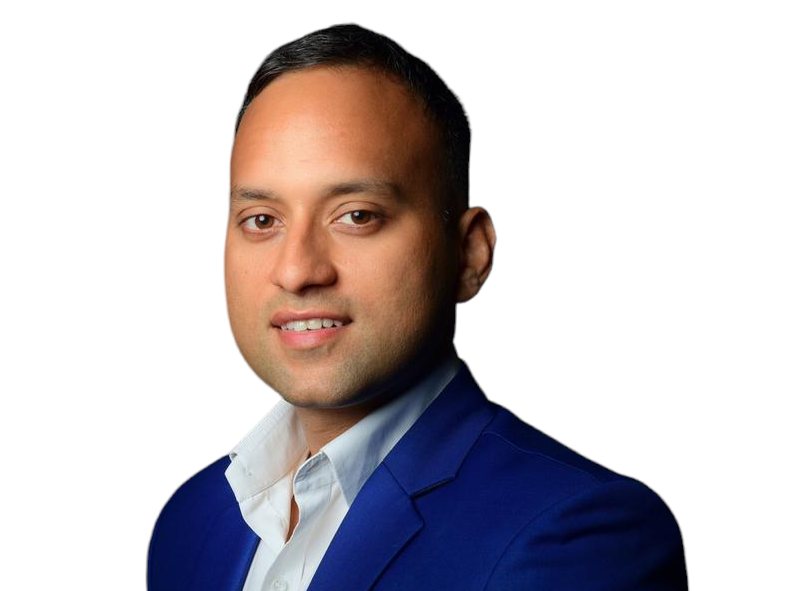
Image Courtesy: Karan Nag, Head – Middle East, Anacity
Karan Nag, Head – Middle East, Anacity, argues that better information changes the question owners ask in the first place. “Instead of asking, ‘When does this equipment typically need replacement?’, owners can ask, ‘What is the condition and cost trajectory of this particular asset?’ This distinction can be particularly important for older buildings. Age alone does not determine whether an asset should be replaced. Better data can identify where an ageing system still has useful life and where continued maintenance is becoming uneconomic,” he says.
“It also facilitates more flexibility in sequencing capital expenditure, prioritising interventions and avoiding the temptation to treat an entire building as equally old simply because it was constructed in the same year,” Nag says.
The same discipline is reshaping how reserve funds are planned in jointly owned buildings, where every renewal budget must be justified to owners and regulators alike. “For older buildings, this makes it easier to prioritise limited capital according to condition, operational risk and long-term value. Different renewal scenarios can also be evaluated: replacing an entire system, renewing it in phases or combining replacement with energy-efficiency improvements. In Dubai’s jointly owned properties, where reserve expenditure is subject to regulatory oversight, reliable records can provide stronger evidence behind proposed scopes and budgets,” Imam says.
Technology, however, is not a substitute for accountability. “Human oversight remains essential wherever decisions involve safety, significant capital expenditure, compliance, occupant wellbeing or competing operational priorities. AI can identify patterns or recommend actions, but someone still needs to understand the context and take responsibility for the decision,” Nag says.
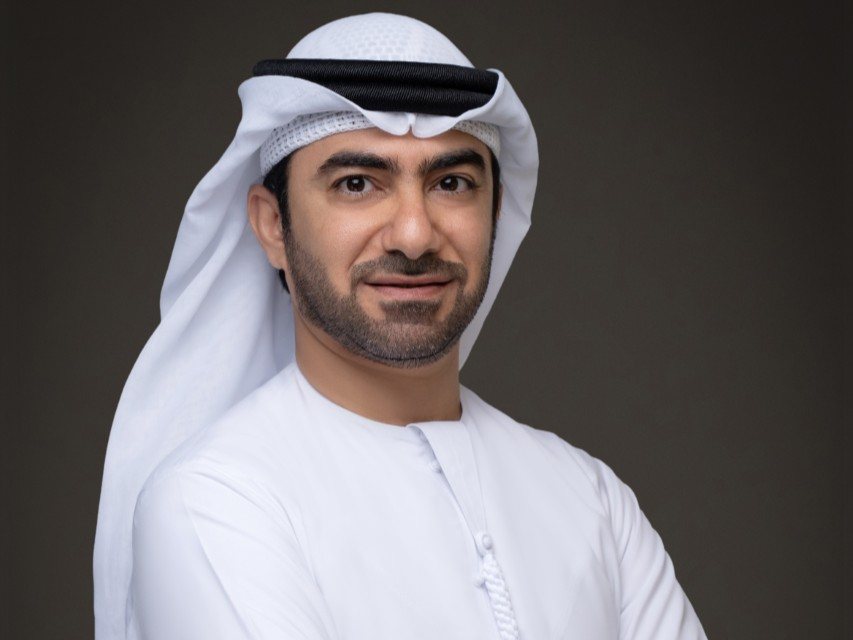
Image Courtesy: Ali Al Marzooqi, VP – Property & Community Management, Deyaar
In strata buildings, renewal is a collective decision. A sound technical case is necessary, but it rarely secures funding on its own merits.
“Owners are much more inclined to support reinvestment when there is a clear case for it. They need to understand what the work addresses, why it is being proposed now and, most importantly, what delaying it could mean for the property,” says Ali Al Marzooqi, VP – Property & Community Management, Deyaar.
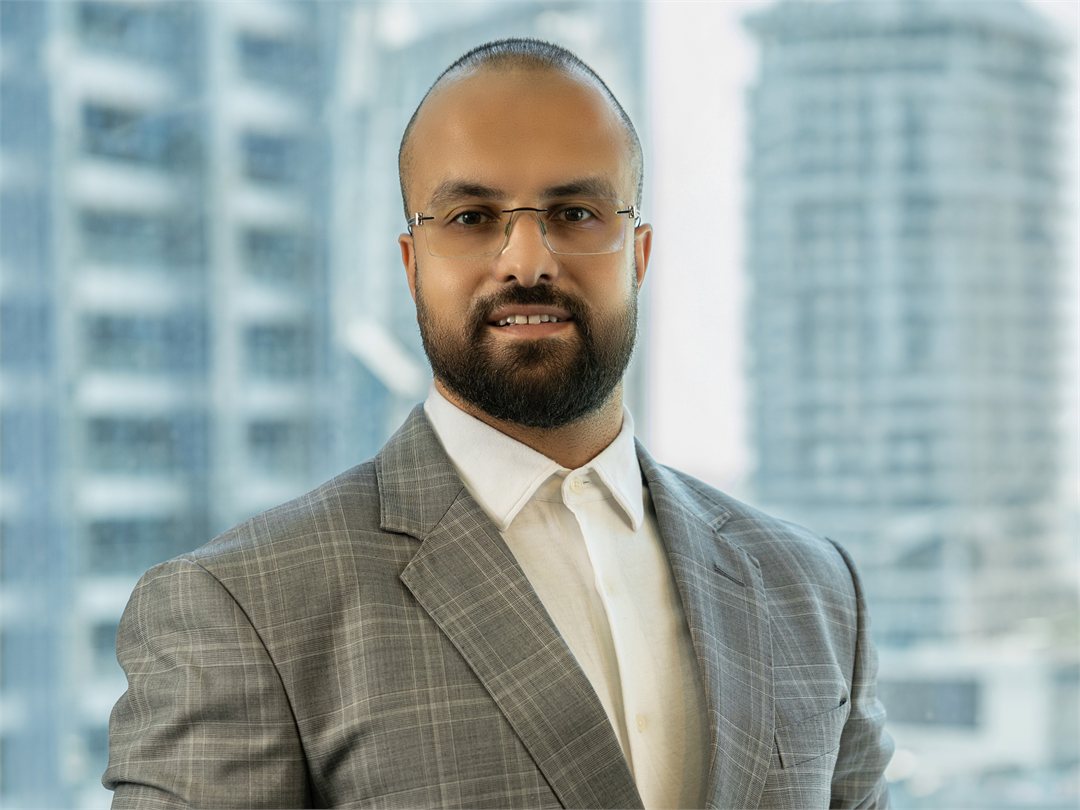
Image Courtesy: Anas Gahshan, Director of FM, HSE & Sustainability, KAIZEN Asset Management Services
Anas Gahshan, Director of FM, HSE & Sustainability, KAIZEN Asset Management Services, locates the obstacle elsewhere than the sum being requested. “Resistance to reinvestment is rarely about the capital. It is about the absence of clarity. Strong management gives every line of spend a clear purpose, grounded in technical evidence and a data-led view of the value it creates,” he says.
“Ultimately, owners are not being asked to invest in something separate from their property. They are reinvesting in the asset they already own. The clearer the connections between that expenditure, the standard of the community and its long-term value, the stronger the case for owner support,” Al Marzooqi says.
Once funding is agreed, the order of works shapes how residents judge the outcome. Gahshan sets out a deliberate hierarchy. “Cleanliness and visible upkeep are the baseline. Professional security follows, establishing control at every threshold and creating a sense of safety long before aesthetics enter the conversation. Then wellbeing, through fitness facilities and flexible spaces that give a community reason to gather. Then experience, where a modernised lobby, lighting, air quality, and even scent reset how a building feels. Safety sits outside the ranking. It anchors the start of any credible sequence,” he says.
Al Marzooqi cautions against investment that improves one space while leaving its neighbours behind. “It is also important to avoid upgrading spaces in isolation. If you invest heavily in the entrance but the corridors, lifts or amenities remain outdated, that first impression disappears very quickly. Each phase should build on the last, so there is a visible improvement in the overall standard of the property rather than a collection of disconnected upgrades,” he says.
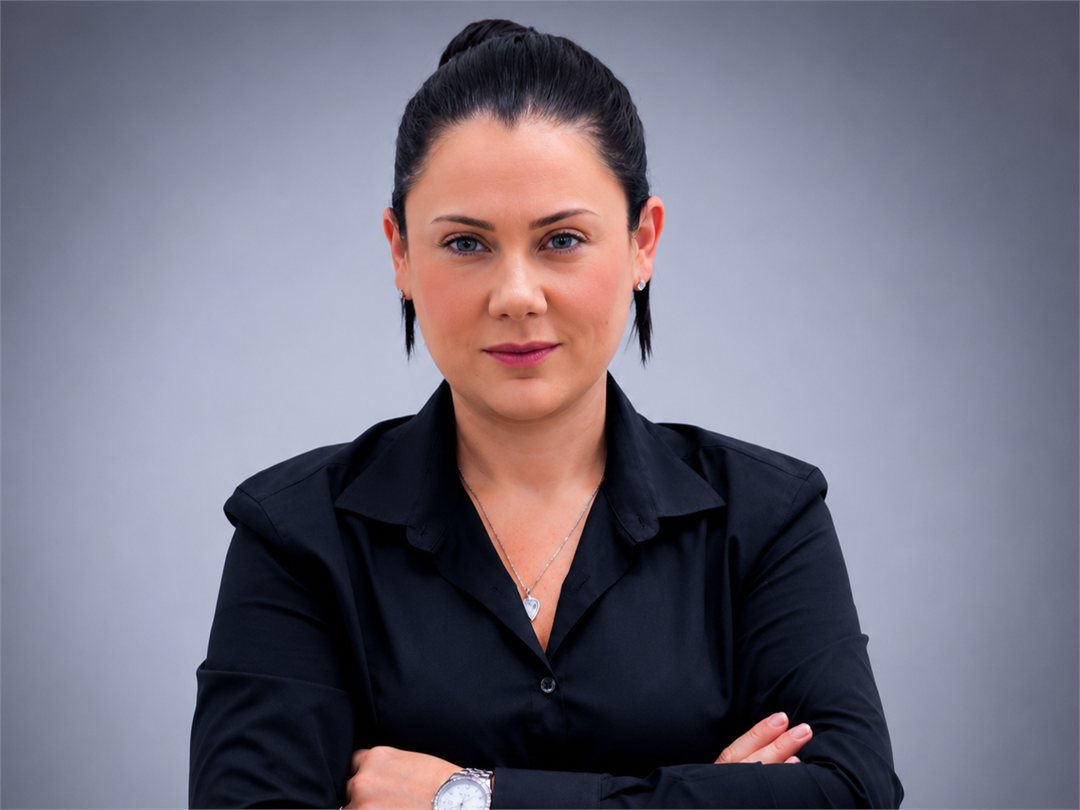
Image Courtesy: Leann King, Global Chief Operating Officer for luxury real estate development
Next door, new launches set the benchmark for finishes, amenities and arrival. Repositioning an older tower against them is less a matter of imitation than of understanding what the market now rewards.
“You cannot compete with new stock by simply making an old building look newer. You have to understand why the newer building is attracting tenants or buyers in the first place. I always start with the customer journey: arrival, first impression, circulation, lighting, smell, temperature, finishes and how the space actually functions. Then I look at where capital will create the strongest commercial return,” says Leann King, Global Chief Operating Officer for luxury real estate development.
“The mistake is spending money everywhere. Good repositioning is targeted. You retain what still works, remove what dates the asset and invest heavily in the areas that influence perception, usability and value. The objective is not imitation; it is making the building relevant again, bringing it back to life,” she says.
King is equally clear that design cannot carry a renewal alone. “But design alone is not enough. If the lobby looks beautiful while the lifts are unreliable, the cooling is inefficient or the facilities are poorly maintained, the value uplift will not last. The best refurbishment combines visual improvement with operational performance,” King says.
Many of these buildings also carry the attachment of owners who bought into them when they were new, which makes the question of what to keep a sensitive one. “I never believe in changing something simply because it is old. If an element has character, quality or emotional value, that can become part of the asset’s strength. The first question should be: what is worth protecting? From there, you identify what is genuinely holding the building back,” she says.
“The best refurbishment feels evolutionary rather than forced. People who knew the original building should still recognise it, while someone experiencing it for the first time should never feel that they have walked into an ageing asset,” King says.
Renewal also changes how an older asset is bought and sold. Due diligence on a mature tower turns on what a buyer cannot see, and a documented history can answer questions that a viewing never will.
“ For an older tower, this creates a clearer distinction between chronological age and actual condition. A 20-year-old building with documented façade work, renewed systems and a transparent maintenance history may present a more understandable risk profile than a newer asset with incomplete records. The advantage is therefore not simply more data, but stronger evidence of responsible asset management,” Imam says.
Al Marzooqi sees the same logic extending to the community as a whole. “When someone is considering a property, they are not only looking at the apartment or villa. They are looking at the condition of the building, the quality of the amenities, the service charges, and how well the wider community is being managed. A clear reserve and renewal plan shows that there is proper planning behind those standards and that future requirements have been considered,” he says.
“For a buyer, that documented track record removes guesswork and turns an unpredictable liability into a managed one. How a community has been maintained is the closest thing the market has to a forecast of what it will sell for,” Gahshan says.
Age, then, is not the deciding variable. Some established communities continue to gain in desirability while others plateau, and the difference lies largely in how they have been managed.
“Age does not have to work against a community. Established developments can have advantages that take years to build, including mature landscaping, well-used amenities, an established resident base, and locations that have grown significantly around them. The challenge is making sure the property itself keeps up with the changes,” Al Marzooqi says.
Gahshan regards the years a building has already lived as an asset in their own right. “An established asset holds what a new tower cannot yet claim: a documented history. Its systems have been tested in real conditions, its weak points exposed and addressed. That record is a commercial advantage when treated as live intelligence rather than an archive. Communities that keep climbing read their history as a plan. They direct capital toward the gaps the data shows and stay agile as the ecosystem moves around them. Foresight is earned through management. It is never installed,” he says.
“For a building entering its second decade, the focus should also extend beyond individual equipment to the overall occupant experience, reliability and efficiency of the asset. The strongest buildings are those where maintenance, technology, energy management and capital planning work in tandem. Ultimately, good stewardship is about anticipating what the asset will need next and making informed interventions before performance or value is compromised,” Reader says.
Haja puts the ambition more plainly. “A well-stewarded building should not simply survive its second decade, it should become more efficient, resilient, reliable and competitive as it moves into its next phase,” he says.
“The next phase of Dubai’s renewal market may therefore be defined not just by how well existing buildings are refurbished, but by how intelligently they are monitored, maintained and improved throughout their next lifecycle,” Boureslan says.
For two decades, Dubai measured its property success in launches, handovers and skyline milestones. The next measure will be quieter, found in plant rooms, reserve fund statements and condition reports that seldom make headlines. The towers of the first boom were built quickly and bought with conviction. Their second life will be earned more deliberately, by owners who plan before they are compelled to, contractors who investigate before they replace, and managers who can evidence every decision they take. The consequences reach well beyond individual buildings. As a growing share of the city’s residential and commercial stock reaches maturity, the quality of its renewal will shape how investors, tenants and residents judge the depth of Dubai’s property market over the long term.
Established communities that treat their history as evidence will be well placed to hold their own against whatever rises next door, drawing on locations, landscaping and loyalty that no new launch can replicate overnight. Those that defer the conversation will find the timing, scope and cost decided for them, on terms they did not choose. Dubai’s first towers proved that the city could build at speed. Their renewal now offers something more enduring: the chance to prove it can build to last.