




Renewable energy leads the charge, but concerns emerge over labour rights and illicit trade links
May 23, 2025 | Staff Reporter | UAE, Africa | Facilities Management | 2 Min Read
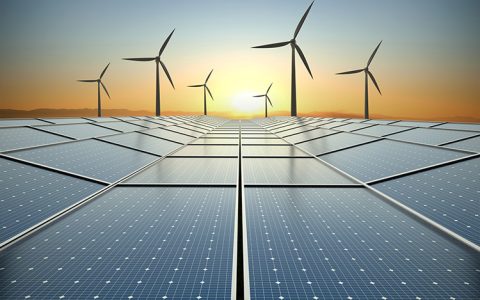
The United Arab Emirates has overtaken China to become the largest investor in Africa, with Emirati companies committing a total of $110 billion to projects across the continent between 2019 and 2023. A significant portion—$72 billion—has been earmarked for renewable energy initiatives, underscoring the UAE’s strategy to diversify its economy and boost green credentials.
This milestone signals a shift in Africa’s global investment landscape, where traditional partners like China, the UK, and France have long held dominance. The UAE’s deepening ties with Africa reflect a broader pivot towards strategic sectors such as infrastructure, ports, mining, and sustainable energy.
Among the major Emirati players driving this investment wave are DP World, which currently manages six African ports, and Abu Dhabi Ports, with operations expanding in Guinea, Egypt, and Angola. Another significant move came from International Resource Holdings, chaired by Sheikh Tahnoon bin Zayed, which acquired a 51% stake in Zambia’s Mopani Copper Mines in a $1.1 billion deal.
The push into renewable energy has been particularly notable. The UAE has supported large-scale green energy projects across the continent, including a $34 billion green hydrogen project in Mauritania, although that initiative remains at the memorandum stage.
While African governments have largely embraced the financial support, especially in sectors crucial for long-term development, critics warn of potential downsides. Analysts and advocacy groups have flagged concerns about labour standards, environmental oversight, and governance risks. Notably, Swiss-based NGO Swissaid has highlighted $115.3 billion worth of unaccounted gold exports to Dubai between 2012 and 2022, raising questions about transparency and regulatory enforcement.
“There is also the opportunity for the attention to breed criminality—like we are seeing in the gold sector,” said Ken Opalo, a political economist at Georgetown University.
Despite the criticisms, the UAE continues to strengthen its commercial footprint on the continent. The UAE’s Ministry of Economy recently reaffirmed its commitment to Africa, noting that more than 21,000 African companies currently operate in the Emirates. The UAE also remains a key export destination for African producers, further reinforcing bilateral trade ties.
As the UAE positions itself as a leading force in Africa’s economic future, balancing growth with sustainable and ethical investment practices will be critical for maintaining long-term credibility and regional goodwill.