




Strong demand from logistics and manufacturing firms, combined with limited new supply, is expected to keep warehouse rents elevated across Dubai and Abu Dhabi, according to Knight Frank
February 09, 2026 | Staff Reporter | UAE | Developers | 2 Min Read
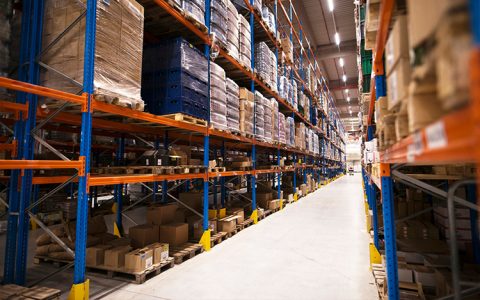
The UAE’s industrial and logistics real estate market is expected to remain undersupplied in 2026, extending upward pressure on rents after a strong performance in 2025, according to a new market review by Knight Frank.
The consultancy said demand from logistics operators, manufacturers and international companies continued to outpace available supply last year, keeping occupancy levels high across most key industrial hubs. This imbalance pushed rents higher across Dubai and Abu Dhabi, with modern, well-located warehouse facilities recording the strongest growth as occupiers competed for limited space.
In Dubai, industrial rents rose sharply in several established and emerging locations. Al Quoz remained the city’s most expensive industrial area, while Dubai Industrial City recorded the highest year-on-year rental growth at 32%, driven by manufacturing demand and a shortage of high-quality stock. Dubai South and Jebel Ali Free Zone also posted strong gains, supported by logistics activity and proximity to major transport infrastructure.
Looking ahead, Knight Frank noted that while new supply is expected to enter the market, relief is likely to be limited in the near term. Around 6.6 million sq ft of new industrial and logistics space is due for delivery in Dubai during 2026, with additional completions scheduled over the following two years. However, supply constraints are expected to persist in prime locations, supporting rental levels, particularly for newer, higher-specification assets.
In Abu Dhabi, industrial market conditions remained broadly stable, supported by controlled land release and ongoing investment linked to the emirate’s economic diversification strategy. The capital accounted for around a third of all industrial contracts awarded across the UAE last year, underlining its growing role in the national industrial landscape. Overall, Knight Frank said the sector remains on a positive trajectory, with demand expected to stay resilient despite signs of rental growth moderating in some secondary locations.