




The island nation champions eco-smart real estate with green resorts and investment-ready hospitality models
June 18, 2025 | Staff Reporter | Africa | Property Management | 2 Min Read
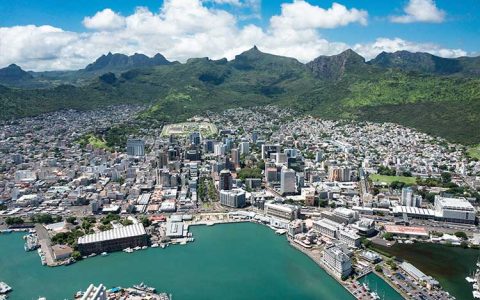
Mauritius is fast becoming a hub for sustainable real estate and hospitality development in the Indian Ocean, with investors and developers aligning around green building principles, innovative financing models, and strong government support.
As the island gears up to host the 3rd Annual API Mauritius & Indian Ocean Property Investment Forum on June 26, the spotlight is firmly on how real estate is driving a new era of responsible tourism and long-term value creation.
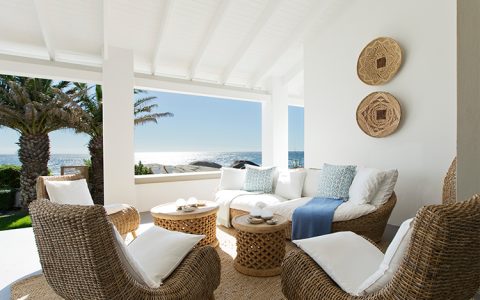
At the heart of this transformation is the integration of eco-conscious design into hotel and mixed-use developments. From energy-efficient construction and solar energy to water recycling and waste reduction, real estate projects in Mauritius are increasingly designed with sustainability baked in — not added on.
“Foreign investment in green hospitality projects is set to grow as sustainability becomes a key differentiator,” says Neil George, Partner and Executive Director of Aleph Hospitality. “Eco-certified developments offer long-term value and appeal to both conscious travellers and forward-thinking investors.”
One of the major breakthroughs in real estate financing is the rise of branded residences and rental pool resorts, allowing developers to pre-sell units — such as villas or serviced apartments — while retaining them within a hotel management framework.
“This model eases upfront capital requirements and spreads financial risk,” explains Govind Mundra, Head of Development for Middle East & Africa at Wyndham Hotels & Resorts. “It also allows individual investors to monetise their property while benefiting from global brand visibility and professional management.”
Wyndham is among several global hospitality groups expanding their footprint in Mauritius by partnering with developers to deliver turnkey solutions that blend hotel operations with high-end, eco-friendly residential units.
Mauritius’s government-backed green agenda further strengthens the investment case. Policies supporting renewable energy use, the banning of single-use plastics, and incentives for eco-certifications like Green Globe are raising the standards for new real estate developments.
“The demand for authentic, sustainable, and well-managed properties is only going to grow,” says Ramsay Rankoussi, VP Development at Radisson Hotel Group. “This creates a compelling opportunity for developers to lead with smart, eco-integrated real estate.”
With the convergence of sustainability, investor interest, and policy support, Mauritius is positioning itself not just as a travel destination — but as a real estate investment gateway for the Indian Ocean region.