




New regulations to guide digital real estate platforms and investor protections
June 18, 2025 | Staff Reporter | Africa | PropTech | 3 Min Read
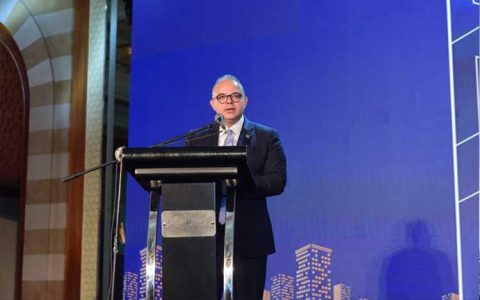
Mohamed Farid, Chairperson of Egypt’s Financial Regulatory Authority (FRA), announced that the Authority is close to finalising a new regulatory framework to oversee electronic platforms in the real estate sector.
Farid stressed the FRA’s commitment to enabling the sector's growth by facilitating access to non-banking financial tools. These include listing and offering on the stock exchange, securitisation bonds, and sukuk, which provide diverse capital-raising avenues for both listed and unlisted companies. He cited the New Urban Communities Authority’s recent securitisation bond issuance as a benchmark.
Real estate investment funds (REIFs) were highlighted as a key mechanism to attract structured and secure investments from individuals. Farid explained that the FRA had been conducting a series of meetings with key stakeholders—including developers and digital platforms offering fractional property shares—to guide the regulatory direction. These dialogues are part of a broader strategy to strengthen engagement between the public and private sectors, ensure investor protection, and maintain market stability.
The Authority concluded that the most effective legal model for fractional ownership platforms is through the REIF framework, which provides transparency, regulatory oversight, and risk protection. Following these discussions, three digital real estate platforms formally submitted requests to the FRA to regularise their status. Each is now establishing two entities: one to operate as a REIF, and the other to handle fund promotion, underwriting, and management.
This proactive response, Farid noted, reflects growing corporate awareness of regulatory compliance and the advantages of operating under official oversight. It also expands access to non-banking financial tools, contributing to broader financial, investment, and insurance inclusion in the sector.
He reiterated the value of direct consultations, noting that stakeholder concerns could only be fully addressed through open dialogue. Listing on the stock exchange, he added, is another critical pathway for companies to boost capital, enhance governance, and pursue domestic and international expansion.
In closing, Farid highlighted recent reforms in Egypt’s accounting standards, marking a shift from historical cost to fair value in asset assessment. The new standards allow companies to revalue fixed and intangible assets and apply fair value principles to real estate investments. These changes ensure more accurate financial reporting, improving transparency and supporting sound investment decisions.
The upcoming framework is expected to bring clarity and structure to the operations of online real estate platforms, aligning them with Egypt’s broader economic and financial reform goals.